

Best ways to beat the summer heat
While summer brings a lot of fun, it also brings dangerously high temperatures. Here are a few tips to remember as you work to keep your house and yourself cool this summer:
Stay hydrated
The number one, and perhaps most important tip on our list is staying hydrated. Our bodies already need at least eight glasses of water a day, but we need even more water when we spend half of the day sweating! Drink plenty of water each day, and even more so when exercising or spending any time outside.
Treat yourself – don’t overheat yourself
While drinking water is always important, there are a few more fun ways to avoid overheating this summer. Enjoy your favorite cold dessert – popsicles, ice cream, you name it! If you’re able, visit a swimming pool to cool down. You could even invest in an inexpensive “baby pool” to inflate in your backyard, which is fun for the whole family to splash around in.
Keep the heat out
It’s easy to forget that heat can still enter your home without a door or window being open. The sheer sunlight alone can heat up your house! If you haven’t already, consider investing in curtains to cover your windows. Not only does it block sunrays, but it adds a nice touch to your living space. As you work to keep the heat out, be cognizant of the heat you create inside your home. Using the oven and the dishwasher both can heat up your home significantly, meaning heat-free recipes and manual dish washing might be a few things you should implement this summer.
Keep the air in
Allow cool air to constantly flow through your home without increasing your air conditioning bill too much. Utilize your ceiling fans throughout the day, and consider purchasing a few box fans to place in different areas of your home during the summer months.
This summer, don’t forget to be responsible, stay cool and have fun!

Ways to make your rental house feel like home
If you just moved into a new home, congratulations! Moving into a new space can be exciting, and making your new surroundings feel like home is probably one of your top priorities.
If you’re renting, then there are probably rules you have to follow. You may not be allowed to paint, hang things on the walls using nails or screws, or change out hardware. But there are still things you can do to make your space feel like your own! Here are a few recommendations we have for renters:
● Invest in mess-free hanging supplies. If you’re not allowed to drill or drive nails into walls, there are products you can use to hang things up! Products like Command™ Hooks are inexpensive and can be used to hang artwork, photos or other homey touches on your walls. Stores like Walmart, Target and Kroger will have several options to choose from! The best part – when you’re planning to move out, taking down your art is as easy as pulling a tab! The adhesive won’t pull off paint and can be removed in seconds.
● Consider buying a rug. Adding a rug or floor covering to a room can make it feel more full and inviting. Rugs are a great option if you don’t have enough furniture to fill a space, as they can give structure to a room and make it feel more full. Even if most of your rental unit is carpeted, you can still layer rugs on top of carpet to add new colors and textures to the room. Though rugs can get expensive, you can often find affordable options at stores like Ikea or HomeGoods. You can also try second-hand and thrift stores for great used options.
● Use what you have to decorate! You don’t have to purchase table runners or expensive decorative items to make your house feel more like a home. See how you can use items you already have to make your open spaces feel more filled. Keeping place settings of dishes on the dining room table can make your table feel ready for company. Adding books to your coffee table can add an interesting focal point for guests. Empty out and wash old candle glasses to create new storage canisters for bathroom supplies like cotton balls or swabs. Get creative with what you already have!

Important housing terms defined
Important housing terms defined
If you’ve experienced financial hardships in light of COVID-19, you’re not alone. Millions of Americans have filed for unemployment and others have been furloughed or had their hours significantly reduced. As we’ve shared before, we’re in the beginning stages of understanding what effects COVID-19 will have on housing, but we know that many of you needed to miss payments because of financial hardship.
We want to make sure you’re in the best place possible to navigate the repayment process. There are a number of factors to consider, and there are terms associated that can be confusing or unclear. Here are a few terms you should know as you start to build your repayment plan:
● Compounding interest may still accrue depending upon your debts. If additional payments are added on to the back end of your loan, your interest may compound and extend beyond your original payment plan. Talk with your lender about your interest rate and how deferment or forbearance might impact how much interest you pay on the life of your loan.
● Deferment is simply the process of pushing something back or moving it to a later time. If your bills or loans are deferred, like many individuals’ student loans are now, this means that they will be due at a later time. Check with your lender to learn what your repayment plan will look like.
● Forgiveness when it’s associated with a loan means that you are not expected to make repayments. This is rare for things like mortgages, utilities or rent payments. You may have heard this term in conversations about COVID-19 relief loans for businesses. Always check with your lender before you assume a debt is forgiven.
● Forbearance is an immediate relief program where one’s debts payments are no longer due on a regular basis. Forbearances usually have terms that you’ll know up front (usually listed as a number of days) and after the terms have expired you’ll be expected to resume payments. If your loan is in forbearance, you need to talk with your lender about the repayment process.
● Hardship is any circumstance that has made it difficult for you to make loan payments. Many deferment and forbearance programs require proof of hardship before you can miss payments. Hardship examples could include a termination letter, proof of reduced hours, or other documentation that demonstrates a loss in income related to COVID-19.
We know that this can be a complicated process to navigate. If you need help understanding your loan standing and determining a repayment plan, United Housing can help.

Three home projects you can do with your children
Staying in can cause even the best of us to go a little stir-crazy, especially when you have kids in the house who are even more bored than you. No matter the reason for your home stay, it’s important that you find activities to keep your mind moving. Why not do a fun, fixer-upper project and let your children help? It’ll cross something off of your list and keep them busy! Here are a few ideas:
Garden
Grab a few seeds and see what you can do! Gardening is a great activity that builds fine motor skills, teaches responsibility and is fun for the whole family. Planting some pretty flowers in your front yard increases your curb appeal, and can lift the spirits of your neighbors. Planting a vegetable garden is also a great idea – in a few months you’ll have fresh and healthy foods right at the tip of your green thumb! Not ready for a full garden yet? Purchase a few house plants and enlist your kids to help take care of them. Indoor plants are a great decorative piece that will spruce up your home and you’ll have extra sets of hands when it comes to daily watering!
Make a birdhouse
What better to go with your new garden than a birdhouse? With a little bit of wood and a pretty paint color, you have all you need to make one. A bird house is an adorable addition to your porch or yard and something you can always keep. For a little extra fun, use an old bottle and buy some seeds to create a bird feeder! Once your birdhouse is complete, you can watch from the window to see what types of birds make your birdhouse their home! This is a great activity to teach your children about nature and animals.
Paint something
Is there a room that desperately needs a fresh coat of paint? How about a wooden chair that would make your lawn look a lot brighter if it were painted yellow? Grab an inexpensive bucket of paint from your local hardware store, or maybe an old paint can stored in your shed, and get to painting! This is an activity that’s more fun the more people you get involved. There’s nothing like the sense of accomplishment you feel once you’ve completed painting something. If painting sounds fun to you and your children but you don’t have any pressing paint needs at the moment, get creative! Paint the inside of a small closet or maybe a bathroom cabinet, something that won’t drastically change your home’s appearance but will be fun nonetheless!
Show your kids that home improvement can be fun! Who knows, you may have a future builder, architect or designer on your hands.

Three apps to help you save money!
At United Housing, we’re all about using tools to help your money go further. We encourage all of our clients to budget and save so they can achieve their homeownership dreams.
We live in a digital world where there are many FREE tools that can help you save money! Here are three safe and reliable options:
Honey – Honey is an online app that helps you find coupon codes for the websites you use to buy essential supplies online! If you were already planning on making an online purchase, Honey can help you find the best deals and additional savings you might not have known about otherwise. It’s free, and really easy to use!
Mint – One of the best ways to save money is to realize how much money you spend. Mint helps users categorize their spending and set budgeting goals. It’s almost like a game for your wallet! Using Mint will help you understand where your money goes each month, and can help you save up for big purchases – like a house, a present or a vacation!
Ibotta – Why not get paid for the supplies you buy? Ibotta is an app that pays you back for the products you buy. Before you make a needed purchase, browse the Ibotta app to see if there is a cashback deal for a product you need. The catch is this, though – don’t buy things you don’t need just because you can get some money back! Ibotta really helps you save by paying you back for products you need.
What are you waiting for?! Start saving today!

What you should know about your credit score
There are still a lot of unknowns about the mid- and long-term impacts of the coronavirus on the financial well-being of Americans. Typically, missing or skipping payments on rent, utilities or other loans has a negative impact on your credit score. But with many financial institutions allowing missed payments, does that mean they will extend grace in relation to your credit standing? Not necessarily.
While we don’t know for sure how the coronavirus will affect your credit score, there are a few things you can do to put your best foot forward:
Learn what your current credit score is. Understanding your current credit score will help you track how it changes in the coming months. Without your current score as a baseline, it can be hard to tell if the score is changing over time. If you need help finding out what your credit score is, call United Housing at 901-272-1122.
Pay what you can. Continuing to make your regular payments is the best way to avoid a hit to your credit score. At the same time, try not to run a high balance on your credit cards. We understand that times are challenging, and making all of your payments may not be possible. Prioritize your family’s immediate needs, like food and shelter, first.
Keep detailed notes of any payments you skip. If you skip a payment of any kind, keep tidy notes so you can track progress toward paying them back. If you understand what you missed and how much you owe, you can work toward paying off your debt in a timely fashion. Repaying debts quickly will help prevent a major decline in your credit score.
Stay in continued communication with your lenders. We can’t say for sure what your personal repayment plans will look like. Talking with your lender about their repayment options will help you create a plan to repay your debt. You can prioritize based on deadlines and debt amounts to decrease your debt as quickly as possible. Again, if you carry debt for a shorter amount of time, your credit will be affected less.
If you have questions about managing your credit score, working with reliable lenders or building your credit, call us at 901-272-1122. We’ll be happy to help you and your family through these processes.

Three gardening projects you can tackle while at home
Don’t have a green thumb? No worries! Gardening doesn’t have to be expensive or difficult, and it can make a dramatic difference to your home’s curb appeal. Here are three small things you can do to spruce up your flower beds while you’re spending time at home:
1. Start by pulling weeds.
While this doesn’t sound like the most fun job, it is something you can get the whole family involved in! Create a game to see who can pull the most weeds out of your flower bet in 15 minutes. Then the winner gets to choose what is for dinner that night! You’ll be shocked how great your flower beds look in a matter of minutes.
2. Add mulch to your flower beds.
Mulch is an inexpensive and easy way to take your landscaping from boring to beautiful! There are a variety of colors and styles, and many of them are readily available at your local hardware store. All you need to do is call ahead and make a purchase, then swing by and pick up your mulch. If you’re not sure about how much to buy, talk with your local expert on the phone – they’ll help you determine how many bags to buy. Then, all you have to do is take your mulch and spread it!
3. Line flower beds with stones or bricks.
Does grass creep into your flower beds? You can create a clean line by adding stone pavers or bricks! While some options can be expensive, there are many inexpensive options you can choose from, especially if you want to line a small space. Order these pavers from your local hardware store, and then start lining! You can make it fun for your whole family by challenging the kids to design and color how they want the flower beds to look!

Interest Rates vs. Mortgage Rates
The economic market is in a state of uncertainty as financial institutions are trying to predict the outcome of the COVID-19 pandemic. There are a number of factors coming into play – from unemployment filings to gross domestic product – that paint a larger picture of the economic impact of the coronavirus.
One thing you’ve likely heard on the news or read online is that interest rates are falling. In an effort to stimulate the economy, sometimes the federal reserve will lower the interest rate to entice people to spend, which ultimately provides an economic boost. This means that interest rates on bank loans, car loans and other loan projects might be lower now than they were a few weeks or months ago.
It’s important to know that interest rates are not the same as mortgage rates. Mortgage rates are controlled by a number of different factors, and tend to rise in high-risk times. Because the economic future is uncertain, mortgage rates are rising. This means that mortgage rates are now higher than they were a few months ago. If you have a mortgage and your rate is locked, the change in mortgage rates does not affect your home loan.
Mortgage rates are ultimately out of a homebuyer’s control. While you want to get the lowest rate that you can, it should be noted that now is still a good time to buy a home if you’re in a strong financial situation. United Housing can help you prepare to make a home purchase through online and remote Homebuyer Education courses.

Three home projects you can take on!
As we’re all spending more time at home, there are things that you can do around the house to make your situation more comfortable and to improve the value of your home! These simple, inexpensive projects are great things to take on while staying at home.
1. Replace the hardware on your cabinets.
Is the hardware on your kitchen or bathroom cabinets outdated? You can easily replace those fixtures to add a fresh look to your space! There are many online retailers and hardware stores that have stylish options available for online purchase and home delivery. Make sure you’re ordering the appropriate size, and we recommend you purchase a few extra in case you need to replace a knob in the future – you never know when that style will go out of stock! This is an inexpensive change you can easily make on your own.
2. Create a statement wall!
Want to take a room you love up a notch? Consider creating a statement wall! A statement wall is simply one wall in a room that you cover with stylish wallpaper or different color of paint. Wallpaper is on-trend right now, and you can purchase inexpensive and nonpermanent peel-and-stick wallpaper from online retailers. Or, you can order a bucket of paint from your local hardware store and pick it up easily. It’s amazing what a fun pattern or a pop of color can add to your space.
3. Invest in outdoor lights.
Love to spend time outdoors? Adding outdoor lighting is a great way to liven up an outdoor patio, carport or deck. Retailers like Walmart and Target have outdoor lighting options at various price points that will fit within your family’s budget. Once you add outdoor lighting, your family can enjoy evening meals or time outdoors while still practicing social distancing!
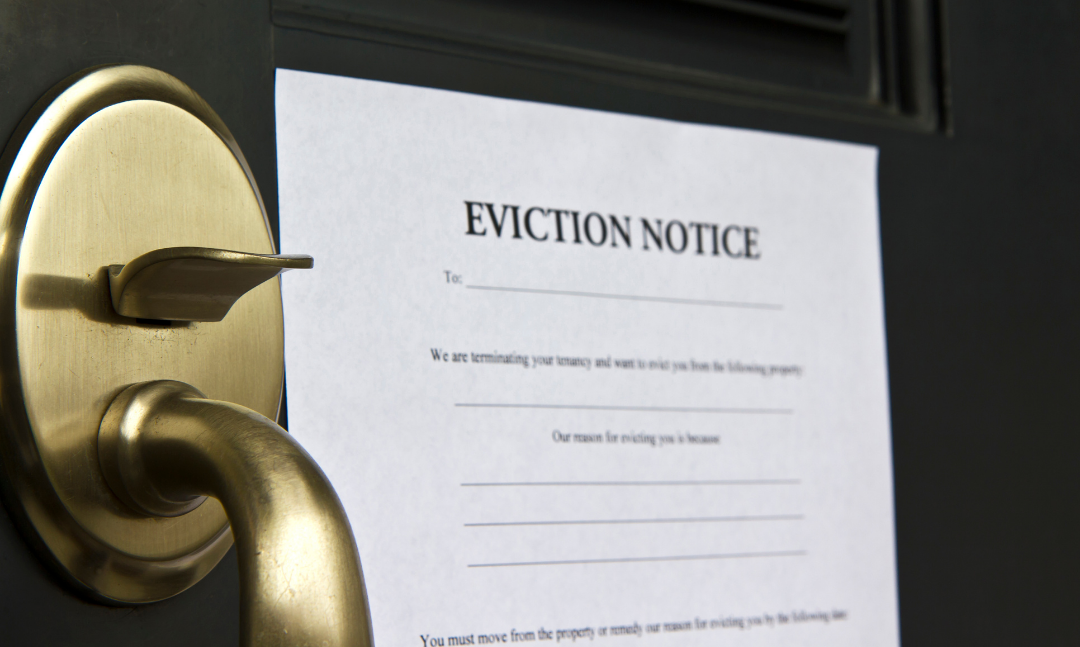
What you need to know about rent payments, mortgage payments and eviction
If you are facing difficult financial circumstances, know you are not alone. Last week, the federal government reported that more than 6.6 million Americans filed for unemployment. That is a staggering number that demonstrates COVID-19’s far-reaching impact.
Loss of employment and reduced wages may affect your ability to pay all of your bills. Luckily, many federally backed and privately operated organizations are adjusting payment dates and are stopping evictions. Here is what you need to know:
Not all payments are automatically paused. Federally backed mortgages, like FHA mortgages, are halting payments. But not all mortgages fall within that category.
Ask before you skip a payment. On any loan or bill, talk with your loan provider to make sure you’re able to skip or miss a payment without affecting your standing as a tenant or homeowner.
Understand what your payment plan looks like. Some lenders are allowing borrowers to pause payments for up to a year, which adds an additional year to the life of your loan. Others are making monthly decisions about payment. When you talk with your loan provider, make sure you understand what your deferral program looks like so you can adjust your budget.
Federal support is coming. If you qualify, federal aid is coming. You can use these funds to help support your family, and if you’re able, make your rent or mortgage payments. Use these funds carefully to purchase essential supplies or make necessary bill payments.
Evictions are paused. Evictions for nonpayment are stopped for the time being. But we do not know when they will resume. This is why understanding your repayment plan is important. There may be a sum of money expected once life begins to return to normal, or your payment cycle might adjust from what you were accustomed to. You need to understand these adjustments so you can make payments on time.
Navigating this process can be difficult, especially if you don’t know who to contact. United Housing can help you understand your unique situation and create a plan. Contact us at 901-272-1122.

What should you consider when choosing a neighborhood?
Finding your perfect home is important, but your “wish list” shouldn’t just consist of a number of bathrooms and square footage. As crucial as it is to choose the right home, choosing the right neighborhood is just as significant. To get an idea of your prospective living space and potential neighbors, there are certain things you should look for in order to choose the perfect neighborhood:
Location
What’s the proximity of the neighborhood to locations you will frequent? Look into the walkability of places like emergency services, grocery stores and pharmacies. The commute time to your job could also be a factor, but as jobs are subject to change, don’t base your location assessment solely on this one factor. It can even prove to be beneficial to check out the schools nearby. You may not have kids, but you could some day — or a family member could. Neighborhoods with good schools usually correlate with home stability, meaning buyers stay in their houses longer and resell at higher prices. Remember, convenience doesn’t always mean complete and total comfort, for example, nearness to a highway might mean shorter car rides, but you may also be opening yourself up to 24 hours of traffic noise right outside your home. So, weigh the pros and cons of the area’s accessibility and determine which convenient locations are worth it and which ones aren’t.
Safety
While we can never guarantee total safety, checking into the security of a neighborhood is a great way to get peace of mind. You can ask your real estate agent, talk with other residents in the area or even use available online tools that utilize crime reports and other data to analyze an area’s safety. Also, it’s important to keep in mind that no area can be completely safe. Just because the neighborhood you’re looking into doesn’t rank No. 1 in the city’s most secure places to buy a home, doesn’t mean you are putting yourself in any danger.
Neighboring property
Neighbors and their homes are just as important as the neighborhood! Take a close look at the houses next door, across the street and around the block from the home you’re considering. Check out the level of property upkeep done by potential neighbors, as well as whether or not they are owners or renters. Study the area for houses in foreclosure or left vacant and whether or not there are any new homes being built, or spaces for them to be. Looking at the other homes that occupy a particular area is crucial in terms of resale value. It’s hard to try and peek into the future, but there may come a time in which you find yourself needing to sell your home and it is important to make sure you’re able to.

Protect your investment with a home inspection!
An often forgotten part of the homebuying process is the home inspection. This critical step in the process protects the buyer from purchasing a home that might have flaws or issues by uncovering and disclosing them before the final contract is signed.
For some mortgage types, home inspections are required. For others, it is an optional step. Regardless of your mortgage type, United Housing strongly encourages all homebuyers to have a home inspection. In fact, we have two home inspectors on staff! Will and Matt go out into the community, inspecting homes and reporting findings to current owners and future buyers alike. They’ve shared three reasons why a home inspection is important!
1. Home inspections protect your investment.
Every home has minor issues or quirks. They’re man-made, and inevitably time and weather will cause small leaks, cracks and mechanical failures in varying areas of your home. But there is a big difference between small, fixable issues – like a leaky window that needs new sealant – and major issues – like a problem with a home’s foundation. A home inspection will identify all issues, big and small, so you can understand the state of a home before you sign on a dotted line. Think about it – you’re about to spend tens to hundreds of thousands of dollars on a home. You want to make sure it’s in the best condition possible!
2. Home inspections give you bargaining power.
Inevitably you will uncover something in your home inspection that needs to be repaired. When these issues are uncovered, your Realtor can help you negotiate a lower sale price or ask for these repairs to be fixed. The seller can then decide whether or not they want to meet your requests. With the knowledge you gain from a home inspection, you might be able to save money on your all-in payment, and save yourself money on the back end by having the seller fix preexisting issues.
3. Home inspections ensure you’re safe.
Older homes often have windows that are painted shut. This is a safety hazard – as every room in your home should have an emergency fire exit. Home inspectors are trained to identify necessary safety features and can point out any that are missing. Some mortgage types require safety issues to be resolved before you can close on the home, and oftentimes a seller will oblige and accommodate these issues.
4. Home inspections can protect sellers, too!
If you’re thinking about selling your home, you can also work with a home inspector! Rather than waiting for a buyer to uncover issues, you can proactively have your home inspected and make changes BEFORE you put your home on the market. This saves you from losing negotiating power during the home selling process.
If you have questions about home inspections, or need a home inspector to take a look at your property, connect with United Housing! We can help you identify a qualified home inspector to meet your needs.

Want to buy a house? It’s time to get your finances in order!
If your financial situation kept you from buying a house in 2019, you’re not alone. The National Foundation for Credit Counseling found that half of Americans tried to buy a house but ultimately weren’t able to. There were several reasons why buying a house was difficult for Americans, including the cost of houses, a lack of down payment funds, existing debt and a low credit score.
While we can’t directly control the cost of houses in the market, we can work together to get our finances in order. By creating a budget to pay off debt, save for a downpayment and build strong credit, you can be well on your way toward purchasing a house in the near future. Your financial circumstance now does not have to dictate your ability to buy a home!
If you want to get your finances in order and start saving for a house, there are a number of things you can do. First, attend a local Homebuyer Education Course. In Memphis, United Housing offers multiple courses each month. In this class, you’ll learn how to build and keep up a budget – which can help you save for a downpayment while paying off your debts. You’ll also learn about the importance of building credit and how to monitor your credit score.
Homebuyer Education courses also help you understand the homebuying process. You’ll learn about mortgage types, the importance of working with a trusted Realtor and how to choose a neighborhood. Ultimately, you’ll leave feeling confident that homeownership is something you can achieve.
At United Housing, we understand how challenging it can be to buy a home, especially when you’re unfamiliar with the process. That’s why we offer support to Memphians – from Homebuyer Education to lending. If you want to start working toward becoming a homeowner, contact us today.

You can donate property and get a tax benefit!
One of Memphis’ biggest challenges is transforming unused, abandoned property in neighborhoods to productive sites for parks, homes, businesses and other community assets. Blighted properties hinder the community because they waste usable space and make the neighborhood seem unattractive to new families and investors. By donating blighted or abandoned property to organizations like United Housing, many of these issues could be resolved as these sites are repurposed!
How to donate property.
Donating property is a fairly simple process – and a lot of information exists online to help you through it! The IRS hosts a ton of information on their website for anyone considering donating property or buying donated property. They also have links to all of the appropriate forms. Donations of property can be made to the state or charitable organizations registered with the state of Tennessee. If you don’t live in the Tennessee, be sure to check with the rules in your state.
To whom should I gift my property?
When choosing your donation recipient, you must consider where your property is located and your preference for its future use. UHI accepts donated land in an effort to provide more affordable housing, better quality of life and increased neighborhood attraction. We can also work with local nonprofit partners to transform your gift into community assets – like parks and businesses.
There are other organizations to consider! If the property is in Shelby County, you can donate it to the Land Bank of Shelby County. Once donated, this organization is responsible for its upkeep, and they then turn that property into something productive for the community as quickly as possible! Another source for donation is the Blight Authority of Memphis. This organization seeks to convert vacant, abandoned, foreclosed or tax delinquent land into productive use. Doing so increases quality of life and property values, and it revitalizes the neighborhood.
Benefits of donating property = big tax benefits!
In addition to the good feeling that comes from making philanthropic gifts, donating land can lead to tax benefits. These benefits will vary by person, property and state, so we encourage you to talk with a licensed tax professional about the potential benefits of your donation.
If you have any questions regarding property donation, or any other housing needs, feel free to contact United Housing at (901) 272-1122 or at info@uhinc.org.

How do homes build generational wealth?
Homeownership is a large part of the American dream. While homes serve as your dwelling and shelter, the place you call home could metaphorically become a financial safety net for your family. Whether you’re single and just starting out, looking to start a family or already have a family of your own, homeownership is a credible way that you can pass down wealth to future generations.
Why is homeownership an investment in future generations while renting isn’t? Renting is a good option for small periods of time, like when you’ve recently moved or when you’re job placement is temporary. But your rent payments are like daily transactions and don’t go toward an investment in your future – they go into someone else’s pocket. When you make a mortgage payment, you’re repaying a debt that eventually benefits you and your family. Paying a mortgage feels no different than paying rent, but the result is vastly different!
As you continue to make payments toward your mortgage, you’re building equity, or increasing the portion of the home you own. If you sell your house in the future for $70,000, and you owe the bank $15,000 because of equity you’ve earned by making mortgage payments, you’ll pocket $55,000 that you can then invest in your family’s future. You’re reaping the benefits of paying on your mortgage for years.
Ultimately, homeownership is a way to save money by investing in a home that meets your current needs in a way that renting does not. So, what steps should you take to buy a house and officially become a homeowner?
The first step is to understand your options. It’s important to know which factors, like income, credit rating, current monthly expenses, down payment and interest rates, affect the affordability of a home. These terms may seem intimidating, but THDA offers several resources like pre- and post-purchase homebuyer education and homebuyer education counselors to help define these terms and explain how they fit in the process.
Using these resources not only can help you learn what you can afford but it’s also a way to know your rights as a homeowner. By educating yourself, you lower your chance of overcommitting financially or becoming a victim to risks like predatory lending. Don’t worry, we understand that the process of buying a house isn’t any less scary or unknown.
Once you understand your options and your rights, think about signing up for a local homebuyer education course, like those offered by United Housing. These courses explain the foundation of homeownership like the importance of credit, how to build your credit, how to qualify for a mortgage loan, choosing a house, working with a realtor and basic home maintenance (plus much more!).
A home is a place for families – current and future. You can build a solid foundation for your family, one that will exist today and in the future. Ready to become a homeowner? Sign up for one of our homebuyer education classes or call us at 901-272-1122.

Preparing to list your home? Here are a few things you can do to help increase the value!
As you prepare to list your home, there are a few things you might want to update before letting potential buyers take a look. Making even minor updates can seem overwhelming, but they don’t have to be! We’ve compiled a list of things you can affordably do to spruce up your home before listing!
#1 - Make your home attractive – inside and out.
Curb appeal is important to potential buyers – it is their first impression, after all. Consider mowing the grass, trimming the shrubs and straightening up your front stoop to attract buyers on their first look and increase your home’s value. Also remember that the kitchen is king! Adding new knobs to your drawers and giving your cabinets a fresh coat of paint could increase your home’s value and give you more money in the bank. According to a recent survey, 80% of homebuyers placed the kitchen in their list of top three most important spaces. Therefore, making some minor upgrades in the kitchen can provide long-term benefits!
#2 - Make energy efficiency a priority.
If you’re considering new appliances or windows for your home upgrades, keep an eye out for Energy Star certification. These items help lower your monthly costs and increase your home’s value to buyers. The less money that buyers have to invest in the home, the more money in your pocket after your house is purchased. Make sure you verbalize these upgrades and lower monthly bills to your Realtor as well, as these can justify your higher selling price.
#3 - Make your home an easy purchase for buyers by handling maintenance before you list.
Homebuyers don’t want a house that requires constant maintenance, so make upgrades that reduce maintenance frequency – like replacing the AC unit and having the wiring reviewed by an electrician. By doing this, you increase the value and give buyers some peace of mind when it comes to the amount of work that they would need to do. Large projects like new flooring, roofing or siding may cost you upfront, but that investment is reflected in your home’s selling price. Taking care of some of these bigger projects makes buyers more inclined to purchase a home with a higher value.
While these may seem like daunting tasks, they don’t have to be! Minor upgrades such as painting, replacing hardware and tidying up outside don’t take much time or money to complete. In the end, these minor adjustments could lead to a major increase in your home’s value!

Shopping for a mortgage – here’s where to start.
If you’re in the market for a car, you’ll likely spend time researching and visiting dealerships to make sure you find the car and the deal that is perfect for you. While you can’t test drive a mortgage, for a purchase of that size you should absolutely shop around! Different lending institutions can offer different rates, accept individuals with different credit scores and can approve you for different loan amounts.
We know what you’re thinking – that sounds intimidating. And it absolutely can be! But like shopping for a car, you can come into the process feeling confident with a little research and preparation. Before you start shopping for a mortgage, here are a few things you should do first:
Know your current financial situation.
To qualify for a mortgage, you often have to provide a number of financial documents. Start gathering paperwork related to your financial situation – including pay stubs, investment statements and credit card statements. Have a clear understanding of what you have in savings, how much of a “rainy day” fund you have available, and all sources of revenue your family has available. Potential lenders will likely need to see this information to make sure you can afford to pay your monthly mortgage payments.
Understand what your credit score means.
In addition to financial information, your lending institution will evaluate your credit worthiness using your credit score. Your credit score uses a number of factors – outstanding debt, regular payments on outstanding loans, the amount of time you’ve had credit – to help financial institutions judge your ability to make prompt and full payments. If you don’t know your credit score, or worry your credit score is too low, United Housing offers credit counseling to help! We can help you understand what your score means and work to raise it.
Learn about mortgage options.
There isn’t a one-size-fits-all mortgage. There are different products that financial institutions offer depending upon your life stage and financial situation. It’s important that you understand the different mortgage types and which products are (and are not) a good fit for your family. We want you to avoid getting your hopes up about a loan product (and then a future home) that is out of your financial reach. This is what we teach in United Housing’s Homebuyer Education course! We break down available mortgage options in the current market and which options are available based on your circumstance.
Research financial partners.
Your mortgage lender will be part of your life for the next 15 to 20 years, so you want the relationship to be a good one. Do research and look to partner only with stable, trustworthy institutions. And, these institutions aren’t always banks! Community Development Financial Institutions, like United Housing, sometimes have loan options that you can consider when shopping for a mortgage!

National Homeownership Month – We answer your homeownership FAQs!
Happy National Homeownership Month! Owning a home can cause you to be filled with questions you had never even thought to ask before. Don’t worry, we’ve got you covered! We’ve answered a few burning homeownership questions below:
1. What’s better about buying than renting?
A home is an investment. When you make your monthly mortgage payments, the money is going toward something that can serve you and your family for years. While renting is a great option for many, especially for small periods of time, when you rent, your money doesn’t go toward an investment into your future. The money you use for rent payments is gone forever just as other everyday transactions.
2. I’ve always heard you need 20% for a downpayment, is that true?
While 20% down has been the tried and true recommendation, it’s actually not needed, and not always the best option. You shouldn’t have to save for years and years before you can even think about making that down payment. There are many loan programs specifically for first-time homebuyers, and even some through the government, that allow you to put down as little as 5% or less.
3. How does my credit affect buying a home?
The better your credit score, the lower the interest rate your lender will give you. While a low credit score doesn’t prevent you from buying a home, it could require you to make higher payments than you had originally expected.
4. Should I use a real estate agent?
Using a real estate agent is a great idea. Not only does a Realtor help you with the whole process, but he or she can assist you in the most important step — price negotiation.
5. What other costs, other than mortgage payments, should I think about?
Unfortunately your mortgage won’t be the only charge you’ll have to worry about when it comes to the homebuying process. There are several extra costs that come along with being a first-time homebuyer, such as moving costs, repair costs and closing costs.
With all the unfamiliarity homebuying can bring, we know we didn’t cover every single one of your FAQs. That’s why United Housing offers homebuyer education courses and other resources that will give you the knowledge and tools you need to embark on the journey of buying your first home. Contact us today to find out more.
However — if you have a burning question you need answered ASAP, comment below and we’ll help!

The Eviction and Foreclosure Moratoria
The halt initially started in September 2020 and was extended to end in July of this year, but President Biden recently proposed an extension specifically for the areas in which transmission was rapidly increasing.
What the new update means and how it impacts residents.
At its most basic definition, foreclosure is a legal process that allows lenders to recover the amount owed on a defaulted loan by taking ownership of and selling the mortgaged property. When a borrower signs a mortgage loan agreement, they’re giving the lender the right to foreclose the home should they fail to uphold the terms of the mortgage document, such as missing multiple mortgage payments. Although staying on top of mortgage payments is important, unexpected loss of income can make it difficult to avoid foreclosure.
Due to complications of COVID-19, many Americans have experienced this unexpected loss of income, and have also had continued difficulty finding another job. In response to this, the government issued an order to halt all evictions. The halt initially started in September 2020 and was extended to end in July of this year, but President Biden recently proposed an extension specifically for the areas in which transmission was rapidly increasing. However, the Supreme Court denied the moratorium extension on August 26 and announced that evictions would resume, even in the areas with soaring rates of virus transmission. So, what does that mean for homeowners?
What’s the difference?
The first thing that homeowners need to understand is the difference between the current CDC guidance on evictions and the Supreme Court decision. The initial eviction moratorium issued by the CDC was backed by a presidential order that made it legally binding. The same order was extended to July 2021 through congressional voting. However, the CDC’s most recent moratorium acts simply as a suggestion, because, while the CDC does have some legal authority, they do not have the power to extend the eviction moratorium without congressional, presidential, or Supreme Court approval.
What does this mean for foreclosure?
The second thing that homeowners need to understand is what the recent Supreme Court decision means for foreclosure. In the initial eviction moratorium, qualifying homeowners were protected from foreclosure to a certain extent. Although this protection has now ended, several federal agencies such as the HUD, USDA and VA announced additional measures to help qualifying individuals pay their mortgage, thus avoiding foreclosure. The end dates of these protections vary by agency. However, the federal government has also allocated nearly $10 billion to the Homeowner Assistance Fund, which provides states with funding to help homeowners catch up on overdue payments to avoid foreclosure. Most states, including Tennessee, will start accepting applications for these funds in the fall of 2021.
What now?
United Housing understands that waiting for state and federal aid may not be an option for people who are close to foreclosure. If foreclosure is inevitable, it’s important to seek help as soon as possible to minimize any consequences. You can contact your lender or local organizations like United Housing to find out about mortgage assistance options. In fact, most mortgage lenders want to help you avoid complete foreclosure, and are often willing to give you options even after multiple missed payments. United Housing also offers COVID-19 mortgage assistance for qualifying individuals. This program is a great way to prevent foreclosure while awaiting state or federal funds.
If you or a loved one is experiencing foreclosure, United Housing is here to help. UHI offers several options to either prevent foreclosure from happening, or getting you through it when it does. From our homebuyer education courses that address important topics like credit and foreclosure, to our post purchase educational class that teaches mortgage budgeting, we also offer access to HUD-certified counselors that can address your specific situations. To learn more about United Housing’s resources, call us today at (901) 272-1122.

Making a Plan for Your Home
Estate planning is not a topic that anybody wants to address, but it’s one that should be addressed. Just as it’s important to create a plan for your possessions should you pass, it’s important to create a plan for your home. Planning for your home in the case of incapacitation or death is the only way to ensure that your property passes to your intended recipient smoothly.
Estate planning is not a topic that anybody wants to address, but it’s one that should be addressed. Just as it’s important to create a plan for your possessions should you pass, it’s important to create a plan for your home. Planning for your home in the case of incapacitation or death is the only way to ensure that your property passes to your intended recipient smoothly.
Homes are important financial assets; the value of real estate typically appreciates over time. Passing your home down to loved ones builds generational wealth and helps facilitate long-term housing for future generations. Without proper planning, your home could go into probate after you pass, which is a potentially costly and lengthy procedure for beneficiaries to gain legal ownership of the property.
There are several ways to make a long-term plan for your home in the state of Tennessee. Below, we outline a few of these methods.
Willing your home.
Wills are a document to help make sure that your property goes to the intended recipient after your death. A will is not legally required for property to pass to your loved ones. But without a will, state laws determine the distribution of an estate's assets, which may not match your intentions for the property.
Although wills must be confirmed in a probate court before going into effect, having one helps speed up the process and helps prevent the property from becoming fully probate. To will your property in Tennessee, you must create a hard copy of a will, designate the proper witnesses, executors, and beneficiaries, then sign it. Ensuring you designate one beneficiary is important, as your property could pass equally to multiple children without a clear beneficiary, leaving them with tough decisions to make after you pass. Although certain circumstances make wills more complicated, they are generally an accessible way to help make sure your property is passed down to your intended recipients.
Living trusts.
Living trusts are similar to wills in that you create a document to pass the property to an intended person. In the case of living trusts, the document is called a trust document and it significantly decreases the possibility of a property becoming probate. To make a valid trust document you must create it in accordance with state laws, name your intended successor within the document, then properly transfer ownership of your assets (the property) to the trust.
While Tennessee does not require an attorney to make a living trust, it is beneficial to get professional input because living trusts can be complicated. Additionally, unlike wills, living trusts must be notarized.
Joint ownership.
Joint ownership allows a property to pass directly to the surviving owner when the other owner passes. Joint ownership requires proof of paperwork, but the property does not need to pass through probate with this method.
There are two types of joint ownership in Tennessee: Joint tenancy and tenancy by the entirety. Joint tenancy can be held by non-married or married couples and requires that the pair each have equal ownership of the property in life. Tenancy by the entirety is for married couples only and recognizes the couple as a singular unit.
Although joint tenancy is an effective way to avoid probate, it does require that you gift half of your legal rights on the property to another person if you are the sole owner. Therefore, it is important that the joint ownership is in a trusted individual’s name.
Navigating heirship and planning for your estate can feel overwhelming but preparing in advance can help make sure that your loved ones and your home are taken care of. For more information on property ownership in general, check out our blogs or attend one of our homebuyer education courses.