
Affordable Housing: A Way for Women to Gain Financial Freedom
Especially for women, understanding your finances – where your money goes and how to get the most out of it – is essential. Women are more likely to experience gender-based pay discrimination, lower wages and societal pressures that affects their earnings. Women are also more likely to have lower levels of financial knowledge, which can negatively affect their ability to achieve financial freedom and success. United Housing is committed to identifying these unique challenges and helping women overcome them, starting with affordable housing.
Politics, religion and money – three things we are told to avoid in conversation with others. While the rules surrounding the first two have begun to relax, discussing money is still considered taboo. And, this sense of taboo only increases when discussing women’s financial health.
Especially for women, understanding your finances – where your money goes and how to get the most out of it – is essential. Women are more likely to experience gender-based pay discrimination, lower wages and societal pressures that affects their earnings. Women are also more likely to have lower levels of financial knowledge, which can negatively affect their ability to achieve financial freedom and success. United Housing is committed to identifying these unique challenges and helping women overcome them, starting with affordable housing.
Housing is a basic human need, and therefore a vital part of any budget. As an essential expense, housing has the power to significantly impact one’s financial freedom and quality of life. Unfortunately in most cities, housing options within people’s budgets are often unavailable. In fact, 7.2 million more affordable housing units are needed in the U.S. to meet the needs of low-income families. This lack of affordable housing causes people to stay in living arrangements that don’t work for their family, or to overextend themselves and their budgets to pay for a place to live that does meet their needs. Studies show that there is no state or county where a renter working full-time at minimum wage can afford a two-bedroom apartment.
In addition to an overall lack of affordable housing units in the U.S., women often face unique circumstances that make the search even more difficult. In comparison to men, women are more likely to live as single parents, making it challenging to find housing that is large enough to accommodate children while still staying within budget. This also renders many single moms unable to live safely and comfortably in traditionally affordable spaces, like studio apartments. Along with being more likely to have children, women are also more likely to be victims of assault. That means they must take area safety into consideration when looking for housing. Meaning, housing within their budget may be available, but they are less likely to purchase or rent if it offers inadequate protection or is located in an unsafe area.
United Housing is here to help women, and all Memphians, overcome housing inequality and reach financial independence. Through our Homebuyer Education Courses and housing counseling, we work to provide our clients with the necessary tools and knowledge to gain or maintain financial wellness. If you want to work toward financial wellness or learn more about our work toward affordable housing for all Memphians, give us a call at 901-272-1122 today.

How to perform a quick home safety check in your house
Whether you’re moving in for the first time, or you have been in your home for years, it is always a good idea to perform a routine safety check. Your safety and the safety of those who live with you is a top priority. So, you should be frequently inspecting your home and performing regular safety checks. Not sure what to look for? Try adding these safety scans to your list of other regular home maintenance duties.
Start with the small stuff
Look closely at cords and wires to ensure that none of them are frayed or in areas where they could be potentially hazardous. Cords shouldn’t run under rugs or through doorways where they’re a fire and tripping hazard. Inspect outlets to ensure they are not too hot, which could be a sign of an electrical problem. If you’re using outlet extenders, make sure there are not too many appliances plugged into one outlet. Additionally, study ceilings and walls for abnormalities you might not notice if you weren’t paying attention, such as cracks, stains, or leaks, which could be symptoms of a larger problem.
Fires
An integral part of your safety check routine should be testing your smoke and carbon monoxide detectors. It is crucial that you confirm their functionality, that you know what they sound like, and that you keep track of their battery replacement timeline. It is recommended that you have a fire extinguisher in your kitchen and on each floor in your home. If you are just moving in, make sure your home has a fire extinguisher that is not expired, or add one to your shopping list.. Even if you have been in your home for a while, make sure you always know where your extinguisher is and that everyone in the house knows the right way to use it.
Outside
There are a few things you can do regarding your home’s exterior during a safety check. For example, check that your house number is visible from the road. It should be reflective or large enough that emergency service personnel can see it. You should also inspect your landscaping. Large bushes or limbs on the side of your home could not only provide a hiding place for an intruder, but also could inhibit any efforts to quickly exit your home or open a window in events like a fire. They also could come crashing into your home during a severe weather event.
Planning Ahead
Part of your safety check could consist of making sure you and other members of your house know how to act in the unlikely event of a home emergency. It is not a bad idea to create an escape plan, put extra flashlights in bedside tables and or create an updated list of emergency numbers.
Keeping your home safe is your responsibility. Though these checks aren’t hard, they do take time. But, a little bit of preventative work could save a life and prevent major damage to your home. Just as you consistently maintain your house’s cleanliness and tidiness, put the same emphasis on maintaining its security.

Picking a home that will suit your needs now and in the future
When buying a home, everyone is looking for what serves their needs at their current stage of life. Of course, no one is going to purchase a house that negatively affects the way they live now. However, something that many potential homeowners don’t consider is what their needs will be later on. Life can change and fast! That’s why it’s a good idea to think long-term before purchasing a home. What future needs may arise? Will your family grow? Do you have an aging loved one who may have trouble with a multilevel abode?
Location
A location may seem perfect for your present situation, but what if that changes? For example, you may find a house that isn’t close to anything you usually frequent, but you sacrifice that because it is right next door to your job and you can’t pass it up. What if you change jobs one day? Or, what if your job moves office spaces? Try not to let current employment keep you from the location you want to live in now so you aren’t stuck in the future.
Future Projects
Be careful buying a home with features you don’t like solely based on the idea that you will renovate it in the future. Things you think you will have time for now may not always end up being feasible. Life and all the busyness that comes with it can sometimes get in the way.
Size
A home that may seem to be the perfect size now could end up feeling quite the opposite down the road. Be sure you keep in mind whether or not you might have children or even a relative joining you, as that may require an extra bedroom or two. People are not the only thing that can make your space seem like it’s closing in on you. If you work from home with a job that is increasingly demanding, you could end up needing more “office” space. In addition, consider yard size. Do you envision having a furry friend that would need space to run and play?
Resale
You may think this is the place you will live forever, but you never know, which is why it’s important to always consider a home’s value in terms of resale. Look at it through the lens of the average homebuyer instead of just in terms of you and your family.
Affordability
A mortgage payment that seems mostly doable now could turn into a real stressor on your budget. When looking to buy a home, make sure the mortgage payments and other fees are payable in any situation, for example, temporary unemployment, unexpected medical bills, etc. Wishful thinking isn’t always the best to cling to when it comes to home payments.
These are just a few things you need to consider before signing on the dotted line. Just remember, when it comes to buying a home that’s going to be with you for a while, the future is just as important as the present.

Outdoor Rehab You Can Do This Spring
Get rid of wintry gloom and embrace the fresh feel and bright colors of spring! Give the exterior of your home some seasonal TLC when the season changes with these outdoor rehab ideas.
Entryway
First impressions can be tough, so make them easier by giving your home’s entryway a more welcoming feel. Start by adding a fresh finish or new handle to your door. Spruce up the path leading up to your door by introducing some stepping stones or new potted plants. Next, grant a new coat of paint to your mailbox or fix that dent that’s been there for too long! Think about replacing your house numbers with shinier ones or polishing the existing ones.
Landscaping
Don’t let things get too rough around the hedges. When adding new, beautiful flowers or plants to the outside of your home, remember to trim tree branches and bushes, as well as pull weeds. If you don’t have much of a green thumb, consider choosing low-maintenance plants that still spruce things up. Additionally, maintain a mowed and watered lawn so the grass is greener on your side.
Maintenance
Outdoor maintenance isn’t as fun as planting a rose bush, but it’s even more important because it improves your home’s curbside appeal and longevity. Clean the gutters, fix concrete cracks and remove cobwebs or smudges from exterior windows. Inspect the safety levels of outdoor fixtures, such as the sturdiness of railings and fences, or trees close in proximity to electrical lines. Keep an eye out for water leakage and broken shingles.Fixing small things now could save the headache later.
Final touches
Lights can make the world of difference in brightening (literally and figuratively) your home’s exterior. The addition of a new light or lamp to your porch can give it a glowing and more homey appearance. How about some front door décor? Try a fun wreath or a cute welcome mat. These inviting touches are usually relatively inexpensive and easy to find. Finally, try some outdoor spring cleaning. Old items in your garage or a patio chair that you rarely use are all things that might be better elsewhere and can reduce the possibility of a cluttered-looking exterior.
Let these tips help you to reflect the excitement of spring on your home! It’s the perfect time to amplify curbside appeal.

How interest rates impact mortgage rates
For those on the hunt for a home, there is always a great deal of talk about interest rates and mortgage rates. All the numbers that are swirling around can become jumbled. To cut through the fog, let’s break down two of those figures - interest rates and mortgage rates.
● Interest rate: Expressed as a percentage of the total amount of the loan, an interest rate is a fee you are charged by a lender for borrowing money.
● Mortgage rate: A mortgage rate is the amount of interest paid on a home mortgage.
So, how do the two relate? When the Federal Reserve adjusts interest rates, it can have an indirect impact mortgage rates. In 2018, interest rates increased four times, ending the year at 2.5 percent after a 0.25 increase in Q4. For example, sometimes mortgage rates increase when short-term rates rise because the central bank’s action can have a ripple effect on all other interest rates. If you have a fixed-rate mortgage, the changes will not affect you, of course; however, borrowers with adjustable-rate mortgages (ARMs) and home equity lines of credit (HELOCs) will find themselves paying more interest on their mortgage loans because they are indexed to short-term rates.
On the contrary, there are times when mortgage rates have fallen after the Federal Reserve raised rates. Take 2004 for example. Beginning in June, the federal funds rate, which is the interest rate banks charge each other for overnight loans to meet reserve requirements, was raised 17 times in just two years! After that, in the summer and fall of 2004, mortgage rates fell. Why is that, you ask? At the time, rate hikes did not cause investors to worry about inflation. The decreased rates did not last long, though. After the two-year period when the rates were heightened 17 times, mortgage rates rose to levels that were higher than they were prior to when the period started.
How can you support the development of affordable housing in Memphis?
If you find yourself waking up this morning with a roof over your head and a bed in which to sleep, consider yourself fortunate! Home insecurity is a difficult reality for many members of our community, and a severe lack of affordable, decent housing is partly to blame.
There’s no need to feel any guilt. We would love for everyone to wake up in their warm beds, especially during this winter season! But we do want you to recognize how fortunate you are while thinking about how you can help others overcome housing insecurity.
So, what can you do to help support the development of affordable housing in Memphis? First, you can share your knowledge with your friends and neighbors. If you know families who are renting and think homeownership may not be an option for them, let them know about United Housing. We can supply the knowledge that families need to actualize their dream of homeownership.
Next, be sure to vote! Many organizations like United Housing receive government support that makes our program possible. Without this support, we’re limited in how much aide we can provide to families. Your candidates, especially local officials, might also take stances on development in your community and city. Consider candidate positions on housing and development when you head to the polls.
Finally, you can make an enormous impact by becoming a regular donor to United Housing. As a not-for-profit organization, we invest every penny beyond our operational costs into programs that support families striving toward homeownership, and we even build affordable homes for families to purchase! When you support United Housing with a one-time or recurring gift, you’re investing in families, the education of children, the revitalization of neighborhoods and a reduction in crime, all of which are impacted when we have more homeowners in our community.

The State of Memphis’ Housing Market is...
You guessed it – strong! Since the housing market crashed following the recession in 2008, things have slowly been inching onward and upward in Memphis. Earlier this year, several news outlets, including Forbes, reported that the local real estate market was booming. Sheldon Rosengarten of Memphis’ Marx-Bensdorf Realtors told WMC-TV that he has never seen anything like the current Mid-South market in his 40 years of experience!
Quick facts courtesy of Zillow:
● Price per square foot: $68
● Home value: $83,400*
● List price: $109,900
● Days on the market: 62
*Home values have gone up 6.5% over the past year.
According to Realtor.com, Memphis has been a seller’s market for most of 2018 (but that can fluctuate, so check this link to see the current state of the market). This means those looking to purchase a home outnumber those who are selling their homes. Because demand is high and supply is low, this type of market is more advantageous for the sellers rather than buyers. Zillow reports that homes are only on the market for 62 days. And, with so many being on the hunt, buyers often get into bidding wars, which oftentimes results in homes being sold for far more than the asking price (and sometimes, more than they’re actually worth).
Although it is a seller’s market, there are still some positive takeaways for home buyers. For example, the median list price of homes still falls well below the national average, with Memphis’ coming in at $109,900 and the national average at $275,000. And, to make matters even sweeter for those looking to buy, homes in the Bluff City typically sell for $10,300 less than the list price even with the current state of affairs.
Don’t let a seller’s market deter you! If you’re interested in purchasing a home, United Housing is here to help. From homebuyer education classes and credit counseling to mortgage lending and down payment assistance, we can help make your dream of owning a home a reality.

Raising your credit score
When preparing to purchase a home, many questions arise. Luckily, we’re here to help! One of the most common topics we discuss with our clients seeking homeownership is credit scores. So, how does your credit score impact your ability to get a mortgage loan? Here’s the scoop.
Your credit score, which is calculated based on the information in your credit report, is a key ingredient in determining two things when it comes to securing a mortgage loan. Not only does it determine whether or not you qualify for a mortgage loan, it also dictates the interest rate you will pay each month. Before we dive too deep, let’s break down credit score ranges to give you an idea of where you stand.
● 750-850 is considered "excellent"
● 700-749 is considered "good"
● 650-699 is "fair"
● 300-649 is "poor"
Your credit score is calculated based on the information in your credit report, including your lending history, length of credit accounts and any incidence of collections, among other things. If you have a higher credit score, you may be eligible for lower interest rates and are more likely to be approved for your mortgage loan. The lowest credit score to purchase a home with a Federal Housing Administration (FHA) loan is 600, according to credit.com. FHA loans are great for first-time homebuyers and require a minimum down payment of 3.5 percent.
Now, just because a credit score of 600 will likely secure your home does not mean you should stop working toward improving your credit score. Part of our education program at United Housing is our credit counseling. Raising your credit score is extremely important as it can lighten financial burdens for years to come. So, how do you do it?
Pack your patience. Your credit score didn’t plummet overnight and it won’t skyrocket overnight either, but don’t panic! Raising your credit score is definitely doable, and we are here to help. Here are a few tips.
Contact your creditors to set up a payment plan.
Pay your bills on time every month. If possible, pay more than once in a billing cycle to speed the process of raising your score.
Pay off credit cards that are “maxed out” first.
Do not close unused credit card accounts. If you must close accounts, close those that are newer.
For more information on how your credit score plays into purchasing a home or on United Housing’s credit counseling services, give us a call at 901-272-1122.
Homeownership is an A+
Last month, we discussed the impact stable homeownership has on children's health and wellbeing. But, it’s not just the physical health that’s impacted – a child’s social development and education are linked to his or her housing situation.
Consider this scenario – a grade-school aged child lives in low-income rental housing. Though his home has two parents who are invested in his well being, he is subjected to frequent moving as his parents struggle to find a renting situation that is safe and stable. Each move changes his school zoning, and puts him in a new classroom with a new teacher, sometimes in the middle of an academic year. Progress tracking is inconsistent, teachers can’t identify challenges and he fails to meet educational milestones as a result. This scenario doesn’t even begin to touch the implications of social development that occur when children are forced to frequently abandon and make new friends.
Statistically, children in under-resourced communities lag behind their peers in standardized tests. There are a few causes that shape this trend: residential instability, absenteeism and comparatively worse schools. Homeownership can have a positive impact in each of these areas.
Homeowners stay put. A study by National Association of Home Builders shows that the average homeowner lives in their house for 13 years. Coincidentally, that’s the length of time a typical US child spends in the public school system. Residential stability allows students to progress through schools where teachers and administrators know them and are invested in their education. They also keep a similar group of peers, spurring strong social development during crucial formative years.
Health and homeownership are linked in children. If you haven’t already, read our recent blog post on homeownership impact on health in children. Absenteeism can be greatly reduced if students are healthy and able to go to school.
Homeowners invest in their neighborhood, including schools. When it comes time to vote and pay taxes, homeowners contribute to the health and success of their local schools. Homeowners are twice as likely to vote, and electing local representatives who are dedicated to your schools can have a positive impact on school funding and opportunities.

How homeownership can impact your family
Purchasing a home undoubtedly positively impacts the buyer, but what about the other family members living in the home? Fortunately, they reap the benefits, too! At United Housing, our mission is to make that improved well-being possible for the underserved families who may not realize homeownership is within reach. We strive to provide quality, affordable housing opportunities in an impoverished city that boasts more substandard rental units than owner-occupied homes, according to American Housing Survey.
Parents have a lot on their plates - kids, work, their own parents, bills and more. All these important things that they are responsible for can lead to quite a bit of worry. Owning a home offers a safe place to land amid the chaos of life and can serve as a solution to many of these issues. For example, did you know homeowners are known to experience higher levels of life satisfaction, self-esteem and perceived control over life? The positivity that stems from these areas is contagious and can create a happier, more stable environment for everyone involved.
The condition of the home matters as well. Because homeowners are economically invested in the property they inhabit, they are more likely to maintain their living space at a higher level. As a result, all family members living in the home experience a cleaner, higher-quality environment. Those in houses of poor quality are more likely to be exposed to harmful conditions and overcrowding, both of which can result in negative health effects. Realtor University’s report highlights a significant correlation between poor housing and health problems, especially respiratory conditions such as asthma, injury and exposure to toxic substances like mold, which can cause a variety of respiratory issues. These effects are heightened in Memphis, where energy burdens are among the top five highest in the country.
The benefits don’t stop there.
● Homeowners are more likely to vote according to A Place Called Home: The Social Dimensions of Homeownership.
● The National Association of Realtors reports girls growing up in homes are 40 percent less likely to get pregnant during their teenage years.
● A research report from California State University, San Bernardino states that children are 116 percent more likely to graduate from college.
● Homeownership helps create more wealth among families according to a 2017 article in the Huffington Post.
And, a recent study put out by Children’s Health Watch noted that the medical expenses accumulated by children living in unstable housing contributed $8 billion in avoidable health care and education costs in 2016. That’s a burden we all feel. Furthermore, over the next ten years, researchers project health and education costs to rise to $111 billion!
It’s crucial for United Housing to let families living in renter-occupied dwellings know that homeownership may not be easy, but it is possible and there are organizations out there to help them make it happen through financial education and credit counseling. To put it simply, preparing Mid-South residents to become homebuyers is the heart of everything we do. Purchasing a home is not just a luxury - it’s an important benefit to many aspects of life. The ripple effects of homeownership extend beyond the house, creating stable, healthy environments.
I want to buy a house… where do I start?!
You learn a lot of things in grade school. The mitochondria is the powerhouse of the cell. A rhombus is a quadrilateral with four sides, two obtuse angles and two oblique angles. Simple enough! While we’re able to recite a line of Shakespeare, many of us leave middle school, high school and even college without an idea of where to start the homebuying process.
What’s even worse is that, without guidance, many people jump into the process uninformed. They overextend themselves financially, become a victim of predatory lending, choose a home that doesn’t fit the long-term needs of their family, or settle on a home just because they feel like buying a home is the “right” thing to do.
So, how should you start the process? First, start with resources like those found on THDA’s website. THDA provides you with information about down payment assistance, loan options and homebuyer education course information. By reviewing these materials, you could learn about available resources that make homeownership possible or more attainable for your family.
Once you’ve learned about your options, enroll in a homebuyer education course, like those offered by United Housing. In these classes, you’ll learn about more than just the homebuying process. You’ll learn how to budget for a mortgage while building up your savings, how to improve your credit score, why homeownership matters, how to maintain your home, and so much more. Plus, you’ll learn from a well-educated teacher who can answer any of your questions (we know you have a ton!).
From there, you’ll be ready to meet with reputable community lenders and shop for mortgages. Your HBE teacher may even connect you with a few trustworthy agencies. You’ll need to review a few mortgages before deciding which lender is right for you, as the amount for which you are approved and interest rates will likely vary. This will give you a clear price range, which is essential before you start looking at homes.
Now, here comes the fun part! You’ve chosen a lender and have a clear budget, it’s time to connect with a licensed realtor. Your HBE instructor will likely have a few recommendations. Talk with your real estate agent about what you need and want (there is a difference!) in a home, what neighborhoods you want to consider and set clear boundaries on your budget. Then, let the tours begin!
Hopefully, by the end of this process, you’ll be able to look back on this from the comfort of your new living room! But, to get started, you need to connect with organizations like THDA and United Housing, who will provide you with in-depth information and guide you through the process. Connect with us through the links above today!
Affordable Housing in the Bluff City
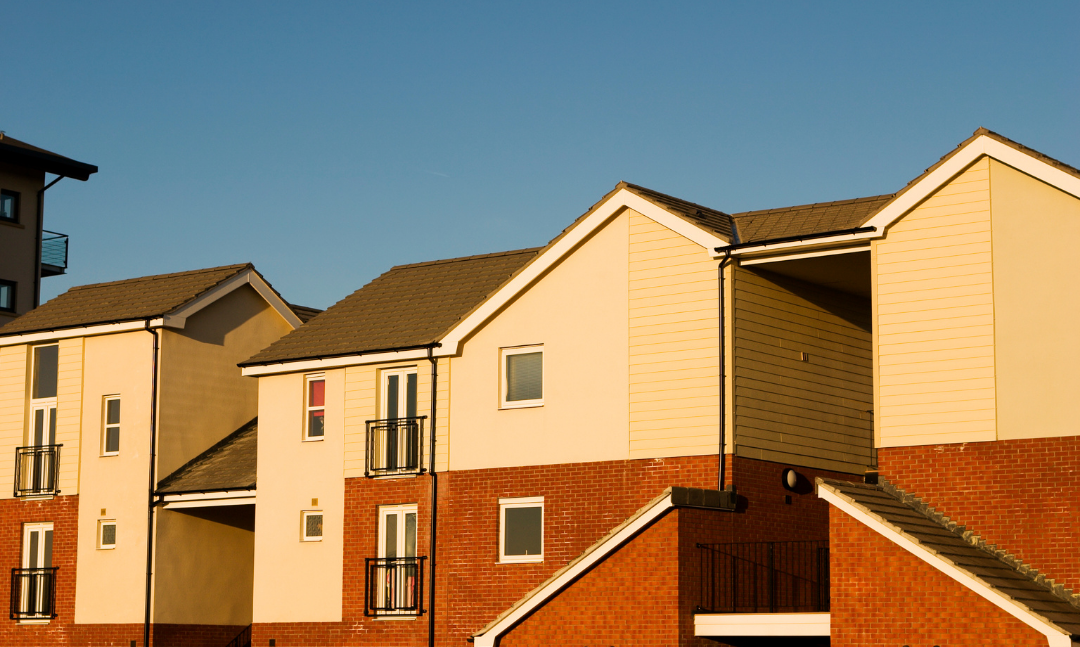
Memphis has recently received accolades such as Best Place in the World to Visit in May by CNN Travel and was ranked 23rd on Indeed’s Best Cities for Job Seekers in 2018. These honors have allowed the Bluff City to gain attention on a national scale, which is a good thing. Right? It increases visibility, which increases tourism. Visitors fall in love with our great city, and more and more people are moving here. You get the point! But, there’s a catch.
As a result, houses and apartment complexes are popping up all over Memphis to accommodate the influx of new residents to the city. And, homes in the city’s core are selling almost as soon as they’re put on the market. These homes, however, aren’t always affordable. High-traffic areas, like Downtown, have list prices that are above the price range for your average Memphian. Memphis isn’t the only city struggling with affordable housing. NPR reported that an estimated 11 million Americans pay more than half their income towards rent, and according to Zillow, more people are renting now than ever before.
A 2015 report conducted by the Tennessee Housing Development Agency found that the median income for Memphians is $36,445. This is 19.4 percent lower than the state average of $45,219. And, according to research from the University of Memphis, the Bluff City has a poverty rate of 26.9 percent. Using a lower budget to illustrate the reality of many Memphians’ financial situations, if you were following a three-to-one income-to-rent ratio and made $1,500 a month, you would have an estimated $500 to spend on rent. That leaves only $1,000 to cover utilities, groceries, transportation, health care, and the list goes on and on -- clearly a tight budget for a single family.
According to Zillow, the median rent price in Memphis is $890 per month, lower than the Tennessee median of $1,275. Why are the prices lower? It’s because Memphians make a median salary of $36,445 compared to the state of Tennessee as a whole, which makes $44,297. Lower salaries call for lower rent, but the median salary isn’t even able to afford the median rent price!
The problem not only lies in the lack of affordable housing but in the failure to educate soon-to-be renters and buyers about options for financial assistance. More often than not, people believe that owning a home is impossible in their current position. United Housing’s education programs exist to help Mid-Southerners better understand homeownership, mortgage loans, the risks of predatory lending, foreclosure procedures and more. For complete details on the classes United Housing offers, click here.
Universal Design 101
If you were following United Housing in early 2017, you likely heard about our project with Home Matters. Over the course of several months, we rehabbed and redesigned a home in Frayser for Walter, a local U.S. Army veteran. One of his greatest desires was to spend more time with his mother in his home. Prior to being selected as the Home Matters home recipient, he lived on the third story of an apartment complex. His mother, who used a wheelchair, was unable to make the climb up the stairs to visit him.
A lot of the media coverage discussed Walter and his story. But, there was also significant coverage of the home for compliance with universal design. The term “universal design” may not mean much to the average person, but it can make an enormous impact on homeowners.
Simply put, universal design is the thoughtful curation of a space that makes living easier for all people in all stages of life. In Walter’s case, it meant that the walkway up to his home was sloped rather than paved with steps. His hallways were wide enough for wheelchair access. His shower had a flat entry rather than a lip or a tub.
You may say, “well, I’m able-bodied, so I don’t need to worry about universal design.” While it’s true that you may live in a home that currently suits your needs just fine, it is not certain that your home will suit your needs forever. Universal design is about proactively preparing your home for any situation life my throw your way, whether or not you “need” it now. This creates homes that are sustainable for homeowners in the long run.
Additionally, universal design differs from assistive design. Generally, assistive design incorporates materials and products that are specifically created to meet the needs of individuals with specific disabilities. Universal design thoughtfully integrates standard consumer items and construction techniques to make a home navigable for all stages of life.
Incorporating universal design in your home does not have to be expensive or a massive undertaking. In fact, there are many small things that you can incorporate over time on a limited budget. So, what simple changes can you make to your home that follow universal design principles?
1. Install brighter lights for enhanced visibility.
Switching to LED light bulbs can brighten your space, making it easier to navigate while reducing your home’s electrical footprint.
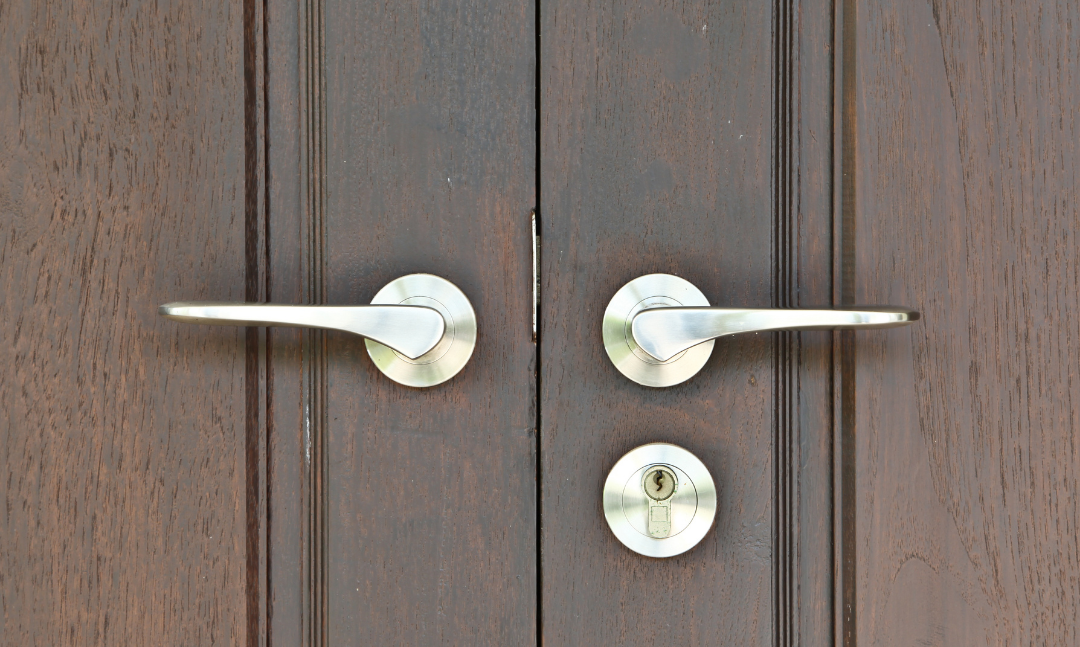
2. Switch door handles from knob to lever-style.
Knob style handles can be difficult to open, especially for older individuals. Installing lever-style handles make doors easier to open.
3. Install an adjustable shower head.
A visit to your local hardware store will offer a number of shower head options that comply with the principles of universal design. Adjustable shower heads accommodate people of all heights, make showering easier for individuals in wheelchairs, and are helpful when bathing children.
4. Choose faucets with levers instead of knobs.
Similar to number two, faucets that require turning knobs are more difficult to use. When making improvements to your bathroom, opt for faucets with lever handles.
5. Switch to rocker light switches.
Rocker light switches are easier to operate because they don’t require the same fine motor skills as traditional switches.
If you want to make these changes to your home but can’t afford to remodel your home, we can help! United Housing offers a variety of lending programs, including home improvement loans, that will allow you to make these changes for your family. Learn more about our home repair loans here, and apply by visiting this link.

Pardon our dust - UHI has projects in progress throughout Memphis
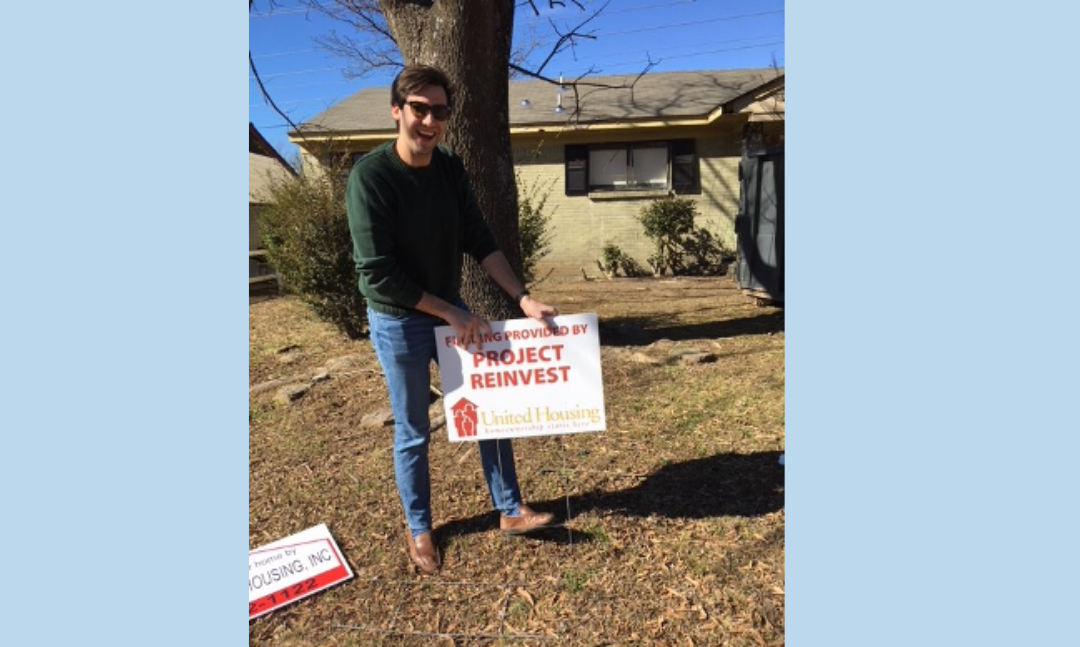
If you’re driving through neighborhoods in Memphis, it’s likely that you’ll see United Housing projects in the making! This spring, we have several projects underway across the metropolitan area that we’re excited to share with you.
Memphis currently has a lot of blighted residential properties, which are unfortunately uninhabitable. According to a 2012 study by the United States Census Bureau, Memphis had a vacancy rate of 11.2 percent, the sixth highest rate of the 75 largest metropolitan areas in the country. This is a problem, and it is an opportunity for organizations like United Housing to pour love and time into these homes to make them inhabitable.
UHI’s Project Reinvest seeks to solve this problem by taking previously uninhabitable homes and transforming them into affordable, livable housing. These homes are at different levels of disrepair - with some only requiring minor improvements to make them livable again.
While UHI also builds new, affordable homes, there are many benefits to renovating existing properties. Renovating a home improves its appearance while maintaining original architectural features that are unique to certain neighborhoods and communities. The cost of renovating a home can be much cheaper than demolition and rebuilding costs, especially for older properties where the presence of asbestos and lead-based paint can cause safety hazards and require additional care.
But most importantly, reinvesting in existing neighborhoods has an enormous impact on the well-being of the residents and the families who call these communities home. Families with stable housing have healthier children who are more likely to do better and stay in school. Reliable housing eliminates stressors that impact many lower-income workers. Homeowners statistically take better care of their homes, and neighborhoods where homes are well kept have lower crime rates. The impact of homeownership is truly far-reaching.
You’ll see many of our renovation projects in neighborhoods in Frayser and South Memphis. If you want to learn more about UHI homes that are being renovated or have been renovated, visit the list of available properties on our website.
If you’re interested in renovating a home you currently own, UHI can help! We have a home renovation loan program with affordable interest rates and 10-year terms. The loan amount is $15,000 and can be applied to the necessary improvements you need to make your home livable, safe and healthy for your family. Visit our home renovation loan page for more information.