
Why Homebuyer Expos matter in Memphis

Our friends at Convergence Memphis are hosting their next Homebuyer Expo on Saturday, Oct. 24! Here’s why you should attend, especially if you’re in the market for a new home.
Connecting buyers with resources
Buying a home is one of the biggest decisions a person can make. For many Memphis families, the process can feel confusing. Homebuyer Expos can help by bringing buyers, builders, lenders, real estate professionals and other housing experts together in one place.
These events give potential buyers a chance to ask questions, compare options and learn about the steps involved in purchasing a home. Instead of searching for information from many different sources, buyers can connect with several housing professionals at one event.
A changing Memphis housing market
That kind of connection matters even more in today’s Memphis housing market. According to the Memphis Area Association of REALTORS® July 2026 Market Report, 1,363 homes were sold in July, up 1% from July 2025. The median sales price was $240,000, while the average sales price reached $307,473.
At the same time, 5,192 homes were listed for sale, giving buyers more choices than they had a year earlier. More choices, however, doesn’t always mean an easier buying experience. Buyers still need to understand:
Mortgage options and interest rates
Down payments and closing costs
Home inspections and insurance
Current home prices and market conditions
Exploring homeownership options
Homebuyer and land expos can also help Memphis residents learn about options beyond buying an existing home. New construction, available land and development opportunities can play an important role in expanding the region’s housing supply.
Bringing these opportunities together lets potential buyers see what is possible and learn the steps needed to move from an idea to homeownership.
This is particularly valuable as Memphis continues to face both opportunities and challenges in its housing market.
Why education matters
From the start of 2026 through the end of July, Memphis-area home sales were down 6.5% from the same period in 2025, with 8,308 sales compared with 8,881 a year earlier. Meanwhile, the year-to-date median sales price increased 3.1%, reaching $230,000.
These numbers show why buyers need current, reliable information. The Homebuyer Expo can help people understand the market instead of relying on rumors, social media or outdated advice.
Stronger buyers, stronger communities
Memphis has a housing market filled with opportunities and challenges. Homebuyer Expos can help residents navigate both. By making information, experts and housing options easier to access, these events can turn questions into knowledge and knowledge into action.
For Memphis, that can mean more informed buyers, stronger neighborhoods and more people taking a meaningful step toward homeownership!
Join us for Convergence Memphis’ Homebuyer Expo!
Gaston Community Center | 1048 South Third Street | Memphis, TN 38106 | 10 a.m. - 12:30 p.m.

What you should know about mortgage interest, PMI and down payments

Buying a home is exciting, but understanding the costs can seem confusing. Three important parts of a mortgage are the down payment, mortgage interest and private mortgage insurance (PMI). Learning how each one works can help you make smart choices and avoid surprises.
What is a down payment?
A down payment is the money you pay upfront when buying a home. It’s usually a percentage of the home's purchase price. For example, if you buy a $300,000 home and make a 10% down payment, you would pay $30,000 before taking out a mortgage loan for the rest.
Many people believe they need a 20% down payment to buy a home, but that’s not always the case. Some loan programs allow qualified buyers to put down as little as 3 to 5%. However, a larger down payment can lower your monthly mortgage payment and reduce the amount of interest you pay over time.
How does mortgage interest work?
Mortgage interest is the cost of borrowing money from a lender. Think of it as the lender's fee for giving you the loan. The interest rate is shown as a percentage, and it affects how much your monthly payment will be.
For example, if you borrow more money or have a higher interest rate, your monthly payment will typically be higher. On the other hand, a lower interest rate can save you tens of thousands of dollars over the life of your loan. Your credit score, income, loan type and current market conditions all play a role in the interest rate you receive.
What is private mortgage insurance?
Another cost some homebuyers face is private mortgage insurance (PMI). PMI is usually required on conventional loans when a buyer puts down less than 20% of the home's purchase price. While the homeowner pays for PMI, it protects the lender if the borrower stops making payments on their mortgage.
PMI adds to your monthly housing costs, but it also makes it possible for many people to buy a home sooner instead of waiting years to save a larger down payment. The amount you pay for PMI depends on factors such as your credit score, loan amount and down payment size.
When does PMI go away?
The good news is that PMI doesn’t last forever. Once you have built enough equity in your home, you may be able to have it removed. In many cases, homeowners can request PMI removal when they reach 20% equity, and lenders are generally required to cancel it automatically when the loan balance reaches 78% of the home's original value if the borrower is current on payments.
If your home's value has increased or you have made extra mortgage payments, you may qualify to remove PMI sooner. Contact your loan servicer to learn about the requirements for your specific mortgage.
Understanding the big picture
Understanding these mortgage terms can help you prepare for homeownership. A larger down payment can reduce your loan amount, a lower interest rate can save money over time and knowing how PMI works can help you plan for future savings. The more you understand before signing the paperwork, the more confident you can feel throughout the homebuying process.
Are you a first-time homebuyer in Memphis? Check out these programs that could make your homebuying experience even easier.
How much house can I actually afford?

Have you ever wondered how much house you can really afford? It can be hard to know with all the many expenses life brings. How much mortgage is too much, and what is realistic? We are here to tell you how to find out.
According to U.S. News World Report, the median Memphian’s income is $54,717. Stay tuned to find out how much home the average Memphian can afford. First, we are going to break down the essential factors that determine how much home you can get.
What is the down payment?
A down payment is a lump sum paid upfront in cash when purchasing a home. The remaining portion of your home cost will be covered in the remaining mortgage balance.
Your down payment will affect:
Your loan amount
Interest rate
Monthly payment
Many people aim to put 20% down – but that number is not realistic for many first-time homebuyers. Thankfully, there are loan products and down payment assistance programs that can help people bring 20% down to 1-5% of the total home cost.
What is your mortgage rate and what type of mortgage are you going to pursue?
There are tons of different mortgage programs available, from conventional, FHA, VA and USDA loans. All vary in requirements, which can affect your decision.
Whether you choose a 30-year mortgage or a 15-year mortgage can greatly impact your monthly payment as well.
So, what can the average Memphian afford?
At UHI, we believe your mortgage should not account for more than 30% of your monthly income. Now, it’s time to do some math:
Median annual income in Memphis: $54,717
Monthly income: $54,717 ÷ 12 = $4,559.75
30% of monthly income: $4,559.75 x 0.30 = $1,367.93
Based on this information, someone earning the median Memphis income should aim for a monthly mortgage of about $1,368 or less. If doing all this math on your own seems like a big task, don’t worry! Check out Rocket Mortgage's home affordability calculator.
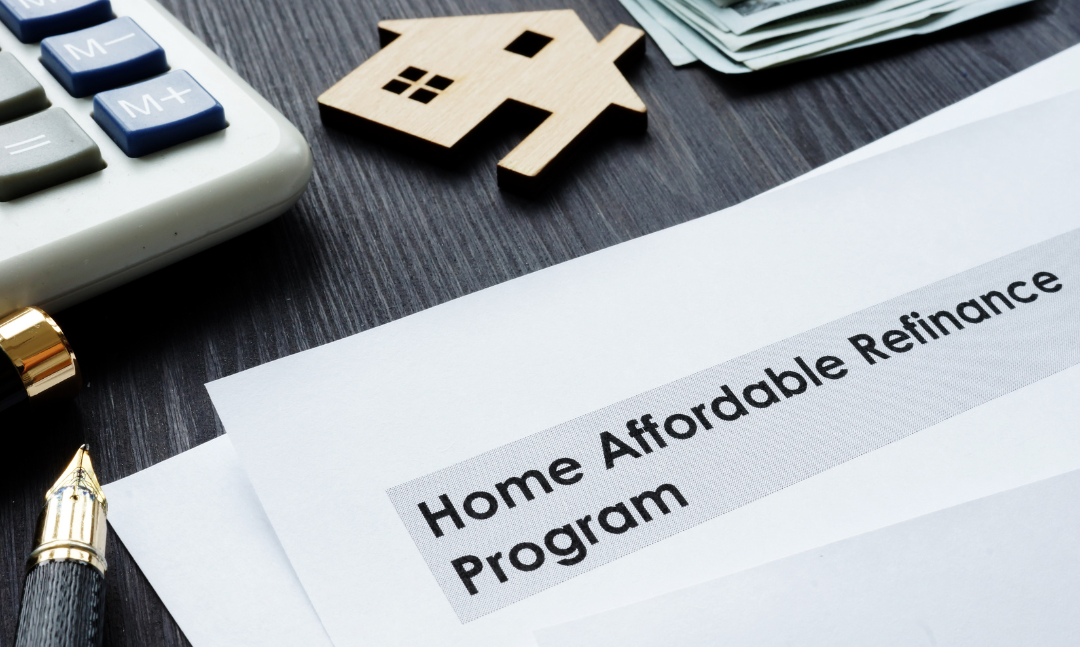
What is refinancing and how can it impact your mortgage?
Did you know you can pay off your mortgage with a new loan? That’s called refinancing, and it’s a process some homeowners use as part of their overall financial strategy.
But why would you want to refinance your home? And are there any downsides? As with many things related to owning your home, there are pros and cons to weigh before you make the decision to refinance.
If you want to learn about what refinancing can do for you, keep reading!
What is refinancing?
As we said above, refinancing is the process of replacing your existing mortgage with a new loan. People refinance for a number of reasons, but some of the common ones are:
To get a better interest rate.
To shorten the length of your mortgage.
To get cash for the equity you’ve built in your home.
To change loan types, like going from an adjustable-rate to a fixed-rate mortgage.
Why might you want to refinance your home?
Many people refinance to get better loan terms, mostly by reducing their interest rate. A small change makes a big difference! Look at how much money you can save over the course of a mortgage if you reduce your interest rate:
Scenario one
$150,000 mortgage loan, 6% interest rate, 30-year term
Monthly payment is $939
Amount paid over the lifetime of the loan is $338,040
Scenario two
$150,000 mortgage loan, 5% interest rate, 30-year term
Monthly payment is $864
Amount paid over the lifetime of the loan is $311,040
You can see how a marginally lower interest rate can have an enormous impact on how much you spend on your mortgage. In this scenario, you spend $27,000 less over 30 years when your interest rate is one percentage point lower.
People also refinance to realize the equity in their mortgages. Equity is the value you gain when your home appreciates or increases in value. Sometimes, you use the cash for another purpose. Other times, you apply the proceeds toward your new mortgage to further decrease your monthly expenses.
When is refinancing not a good option?
While refinancing can get you a lower interest rate if the market conditions are right, you need to consider a few things first.
You have to pay closing costs on your new loan, which can range from 3% to 6% of the loan amount.
Your new loan will have its own term length. Refinancing may mean you carry a mortgage for longer than staying with your current loan.
You pay more interest to the bank than toward your principal balance at the beginning of your mortgage. If you need to get cash for your equity, and your home value hasn’t appreciated much, you won’t have much equity to gain.
If the amount you’ve paid to your current provider, plus the closing costs and the total output for having a new, longer mortgage, is more expensive long term, then it may not be a wise financial decision.
Overall, refinancing is neither good nor bad. It’s a tool that could help you make your mortgage work better for you! The most important thing is to talk with a trusted financial professional about the costs and benefits in your specific situation to make an informed decision.
Wait! My mortgage went up! Why does your mortgage adjust annually and how can you prepare for potential changes?
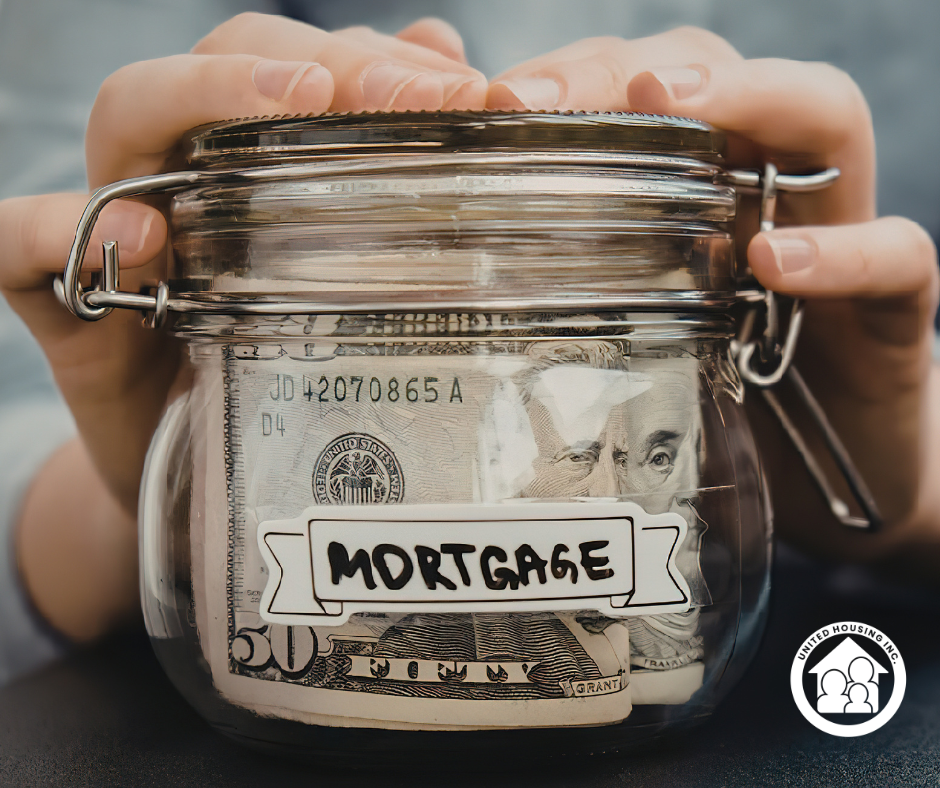
Has this ever happened to you? You look at your bills and realize your mortgage payment has increased. Unfortunately, mortgage payments can fluctuate over time due to a variety of factors. In this blog, we’ll outline the reasons why your mortgage might adjust and how you can prepare for those changes.
Property tax changes
Local governments determine how much you pay in property taxes based on your home’s value. This process ensures homeowners pay the correct amount. Depending on where exactly you live, assessment timelines can vary.
An increase in your home’s value or the local property tax rate can lead to a higher tax bill. If your mortgage escrow account includes reserves for taxes, an increase in your assessed home value or tax rate may raise your monthly payment.
Escrow shortages
Escrow is a term used to describe the portion of your monthly payment applied toward property taxes and insurance.
Your financial institution uses money from the escrow account to pay the amount you owe when your tax or insurance bill is due. Sometimes, your lender or servicer may need to make up an escrow shortage. Therefore, your monthly payment may increase.
These shortages can occur if your insurance premiums or property taxes increase.
Interest changes
If you have an adjustable-rate mortgage, your interest rate can fluctuate. Once your initial fixed-rate period ends, the interest charged on an ARM adjusts according to market rates. However, these adjustments are usually capped based on your initial interest rate.
This is why most homebuyers gravitate toward fixed-rate mortgages. Having a FRM means your rate will not change. However, there are still reasons to apply for an ARM. Because ARMs change with market rates, they can decrease. If interest rates look like they might decline for a period of time, the monthly payment for your ARM may go down.
How can you prepare?
While there are many factors that can cause your mortgage rate to change, don’t fret! There are ways to prepare for these potential changes.
Gum Tree Mortgage provides useful tips that will keep you on top of your mortgage rates like:
Interest rate evaluation: Review your current interest rate compared to market rates.
Loan term assessment: Analyze if the length of your loan term is still ideal.
Home equity analysis: Assess the amount of equity you’ve built in your home.
Refinancing opportunities: Identify if refinancing could lower payments or shorten your loan term.
Financial goal alignment: Ensure your mortgage supports your current and future financial goals.
Although you can’t control whether or not your mortgage rates fluctuate, you can do your best to stay informed, prepare and adjust for those changes!
Understanding different types of home structures: pros and cons

When buying or renting a home, the structure matters just as much as the location or price. Different types of homes fit different lifestyles, budgets and long-term goals. From single-family houses to duplexes and townhouses, each option comes with benefits and drawbacks. We broke it down to help you determine which housing style may be best for you.
Single-family homes
A single-family home is a standalone house built on its own lot and doesn’t share walls with other homes.
Pros:
Single-family homes offer the most privacy. With no shared walls, this means less noise from neighbors. Owners usually have a yard, garage or driveway and more control over the property. These homes often appreciate well over time and can be easier to sell.
Cons:
Single-family homes are usually more expensive to buy and maintain. Homeowners are responsible for all repairs, landscaping and utilities. Property taxes and insurance can also be higher. For some buyers, the added space and upkeep may feel overwhelming.
Duplexes
A duplex is a single building divided into two separate living units, either side by side or one above the other. Each unit has its own entrance.
Pros:
Duplexes can be a more affordable way to own property. Buyers may live in one unit and rent out the other, helping cover the mortgage. This makes duplexes popular with first-time buyers and investors. Maintenance costs are often lower than owning two separate homes.
Cons:
Shared walls mean less privacy and more noise. Owners may also need to manage a tenant, which can be time-consuming. Financing and insurance for duplexes can sometimes be more complex than for single-family homes.
Townhouses
Townhouses are homes that share one or more walls with neighboring units. They are usually built in rows and may be part of a homeowners’ association, or HOA.
Pros:
Townhouses often cost less than single-family homes. Many HOAs handle exterior maintenance, landscaping, and common-area upkeep, reducing owners' effort and costs. Townhouses are often located near shopping, schools and city centers, making them convenient for busy lifestyles.
Cons:
Living close to neighbors can be noisy and sometimes means less privacy. HOA fees add to monthly costs and come with rules about property changes. Townhouses may also have limited outdoor space compared to single-family homes.
Condominiums
Condos are individually owned units within a larger building or complex. Owners share common areas and available building amenities like hallways, pools, laundry rooms and gyms.
Pros:
Condos are usually the most affordable homeownership option. Repairs and management of common areas is handled by the HOA, making them low maintenance. Condos can be ideal for people who travel often or prefer a simpler lifestyle.
Cons:
HOA fees can be high and may increase over time. Owners have little control over exterior changes and condos may not appreciate as quickly as other home types.
Multi-Family Homes
Multi-family homes include triplexes or apartment buildings with three or more units.
Pros:
These homes are mainly used as investment properties. Rental income can help build wealth and offset expenses. Multi-family properties can offer strong long-term returns.
Cons:
They often require more management and maintenance. Up-front costs are higher, and financing can be more difficult. These properties may not suit buyers who want a traditional home.
Choosing the right fit for you
The best home structure depends on budget, lifestyle and future plans. Buyers who value space and privacy may prefer a single-family home. Those looking to save money or generate income may consider a duplex or townhouse. Understanding the pros and cons helps buyers choose a home that fits their needs today and tomorrow.
Still have questions? We’re here to help. Call us at 901-272-1122 or email info@uhinc.org.
What to know before buying or selling a home this year
If you plan to buy or sell a home this year, it helps to understand what the housing market is looking like. One big change is that the housing market is expected to become steadier and provide buyers with more inventory to choose from, while sellers may need to work harder to stand out.
Memphis Market Snapshot: 2025 vs. 2024
According to Memphis Area Association of REALTORS®:
The number of homes sold (units): down 4.1%
The median sales price: up 6.8%
The average sales price: up 2.6%
These numbers show the market has been shifting. Prices have gone up, but fewer homes were sold year over year in Memphis.
As we saw in recent years, there wasn’t enough inventory to meet the demand. Now, with more homes on the market, buyers may not feel as rushed. However for sellers, this means more competition. Homes may take longer to sell if they cost too much or need a lot of repairs.
Home prices are also expected to slow down. This is good news for buyers who couldn’t afford a home before, but means sellers will need to price their homes carefully. Homes with competitive prices are more likely to sell faster.
Mortgage rates are another important factor. Rates may not return to the low levels we saw a few years ago, but they could stay steady or drop slightly in 2026. When rates are more stable, buyers can better plan their monthly payments. This may help more people feel ready to buy a home.
Because of these changes, learning about buying a home is more important than ever. Many people think they need perfect credit or a lot of savings to buy a home, which is not always true. Help is available through down payment assistance programs to help lower the cost of buying a home, like what we offer through our Cherry Mortgage program.
We also offer homebuyer education classes. These classes explain each step of the buying process, including debt-to-income ratio, budgets, loans and closing costs. Oftentimes, mortgage companies require buyers with 3% or less of their down payment to take a homebuyer education course before being approved.
For sellers, getting a home ready to sell is very important. Simple updates like small repairs, fresh paint, and a clean home can make it more appealing to prospective buyers. For those who need help fixing bigger issues in their home before selling may consider a home repair loan to help pay for those fixes.
Overall, 2026 looks like a promising year for real estate. Buyers should look into assistance programs, take education classes and get preapproved early. Sellers should focus on pricing, repairs and presentation. If you have questions about the selling or buying process, please reach out to us! We’re available by phone 901-272-1122 or by emailing info@uhinc.org.

Fright-free facts: busting common homebuying myths

Buying a home can feel scary, especially for first-time buyers. Add in a few myths that seem to linger like a ghost, and the process can feel downright spooky. Here are some of the most common homebuying myths and the truth behind them.
You must have 20% for a down payment.
One common myth is that you need 20% for your down payment to buy a home. While putting down more money upfront can lower monthly costs, many loan programs allow buyers to purchase with as little as 1% down. At United Housing, Inc., we have several options for first-time, first-generation homebuyers to assist with your down payment and mortgage.
Renting is always cheaper than buying.
Another haunting misconception is that renting is always cheaper than buying. While renting may seem more affordable in the short term, monthly mortgage payments often compare to rent prices in many markets. Over time, homeowners also build equity, which is something renters miss out on. If you’re worried about the cost of home maintenance, programs like 901Help are here to assist.
A low credit score will keep you from buying.
A common belief is that a low credit score will keep you from ever owning a home. While a high credit score can unlock better interest rates, lenders often work with buyers across a wide credit range. Exploring loan programs and speaking with a lender can reveal more options than expected.
It’s OK to skip a home inspection.
One of the spookiest myths in real estate is that a buyer can safely skip a home inspection to save money or speed up the closing process. But skipping this step can turn your dream home into a haunted house with hidden problems. From leaky roofs to electrical issues lurking behind the walls, unseen repairs can become the thing of financial nightmares.
The homebuying process has plenty of moving parts, but it doesn’t have to be scary! Working with trusted professionals, asking questions and separating fact from fiction can help buyers make confident, informed decisions.
Ready to start looking? Check out United Housing’s available listings.

New, affordable homes bring fresh energy to Whitehaven Hills
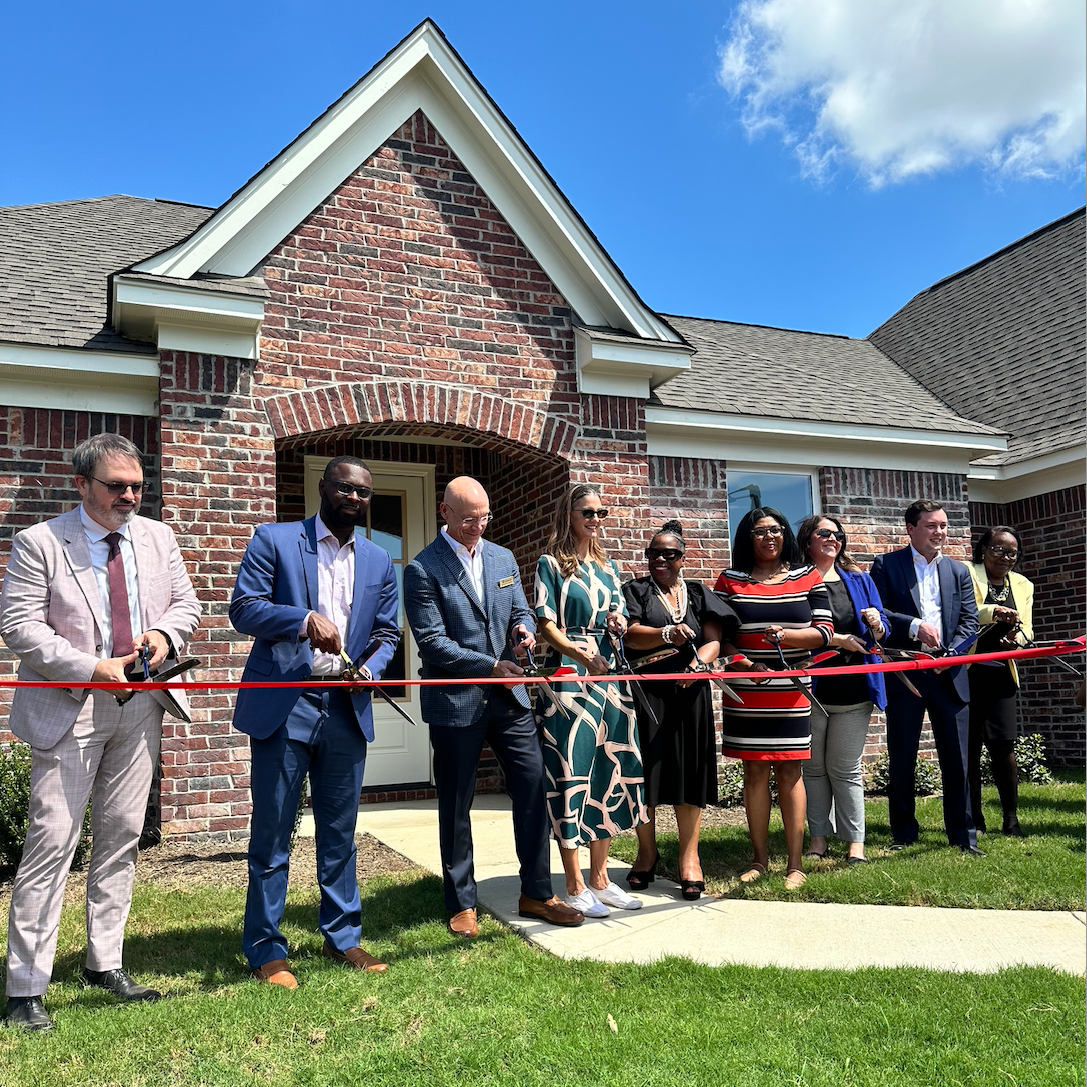
United Housing, Convergence Memphis and the City of Memphis recently celebrated 10 brand-new homes hitting the market in the Whitehaven Hills neighborhood.
Priced with first-time buyers in mind, the nine four-bedroom, two-bath homes are valued at $200,000, while the three-bedroom, two-bath home is listed at $230,000. For families who have been looking for an affordable path to homeownership within the city, this project marked a turning point.
“Anytime we can bring homes to market, it’s a reason to celebrate. But these homes represent a new type of progress we’re especially excited about,” said Amy Schaftlein, United Housing’s executive director. “The homes on Zodiac Road were built with sustainability in mind and are specifically reserved for local homebuyers who may have struggled to find options in today’s housing market.”
For years, starter homes have been missing from the Memphis market. Since the 2008 housing crisis, construction of smaller, affordable houses has slowed, leaving many first-time buyers with few choices. Meanwhile, older starter homes often need major renovations that put them out of reach.
The Whitehaven Hills homes also represent the power of partnership. United Housing, private developers, Convergence Memphis and the City of Memphis each played a role in bringing the development to life. Earlier this year, Convergence Memphis hosted its first Land Expo, connecting with more than 20 developers who committed to building additional affordable homes. The Zodiac Road project became one of the first visible results of that initiative.
For families across Memphis, these homes are more than walls and a roof. They can open the door to homeownership for more people across the community.
Interested in a tour of one of these homes?
Contact Tammy Coleman at 901-341-3686 or tammycsellshome@gmail.com.

Minority Homeownership Gaps:
Why do they exist and what can we do to shrink them?
For generations, homeownership has been one of the primary ways people build wealth, stability and community – but for far too many families, this path is full of barriers. In Memphis and cities throughout the country, systemic obstacles have contributed to these gaps in homeownership for Black and POC communities.
According to 2023 U.S. Census data, white Americans had a homeownership rate of 73.8%, while Black and Latinx Americans remained below 50%. This disparity is even wider today than it was in 1960 when redlining and overt discrimination in housing were still legal. In Memphis, the gap is even wider. As of 2020, only 43.9% of Black residents in the city owned their homes, compared to the 74.3% of white residents (Urban Institute) – a gap that reflects decades of economic and social inequality.
But, why does this gap exist?
Racially discriminatory practices like redlining, predatory lending and zoning laws have historically denied Black and POC families from the same access to financing, stable neighborhoods and rising home values. Unfortunately, these practices did not end with the Fair Housing Act of 1968; they evolved.
For example, Black neighborhoods are still more likely to face lower appraisals, subprime loans and disinvestment. In Memphis, the 2005-2007 foreclosure crisis disproportionately affected Black neighborhoods as families lost homes, wealth and security due to outside investors buying out properties and renting them back at higher costs.
Today, minority borrowers continue to face unequal access to mortgage loans and banking services. According to the Urban Institute study, only 1% of Black households and 2% of Black renters applied for a mortgage. These numbers not only reflect financial disparities, but also limited access and distrust in traditional banking services. This is compounded by the financial burden of renting.
Renters, especially in low-income communities of color, are spending more of their income on housing than ever before. As rent continues to rise and wages stay the same, it becomes even harder for families to save for a down payment, let alone qualify for a mortgage. High rental costs also mean fewer opportunities to build credit or generate the kind of wealth that makes homeownership possible.
Another factor that plays a major role is the availability and condition of affordable housing. In Memphis, aging housing stock is concentrated in traditionally Black neighborhoods and much of it is left uninhabitable without significant renovations. Meanwhile, outside investors have purchased more than 7,000 single-family homes in Shelby County over the last two years. These homes are often turned into rentals, Airbnbs or sold at an unattainable price.
So, what can we do?
Shrinking the homeownership gap requires action – and that is what United Housing is working to do in Memphis and beyond. Here’s how:
Homebuyer Education: Understanding credit, budgeting and the homebuying process is crucial. That is why we offer HBE classes monthly to educate and empower families with the tools they need to become homeowners.
Support housing development: We invest in real estate that makes sense, including single-family starter homes, duplexes and multifamily units to offer a path to affordable homeownership. These types of properties support various dynamics – from individuals to multigenerational families – while also building equity and stability for buyers.
Rehabilitate housing stock: Part of our mission is to invest in our community. By making strategic investments in rehabilitating older homes, we can help restore value in underinvested neighborhoods and put more quality, affordable homes on the market for local buyers, not outside investors.
Expand access to lending: UHI partners with local financial institutions to help provide access to equitable mortgage lending, down payment assistance and financial incentives for first-time homebuyers. Convergence Memphis, a subsidiary of UHI, works to address these challenges by partnering with policymakers, lenders and real estate professionals to prioritize homeownership for Memphis residents, primarily those of color.
Homeownership is about more than owning a property – it’s about opportunity and stability. The racial gap in homeownership is not just a reflection of economic inequality; it is a cause of it. If you are a prospective buyer, housing advocate or real estate professional looking to partner and help close the homeownership gap, contact United Housing today. Together, we can make a difference.

Half way through 2025, what trends have we seen in the real estate market?
The Memphis housing market at a glance:
The housing market in Memphis is experiencing a significant surge, according to the Memphis Area Association of Realtors (MAAR) report. Home sales in the city increased by 26.8% in May 2025, compared to the previous month. Housing inventory is sitting at its highest point since summer 2023, which can create favorable buying conditions.
Neighborhoods like East Memphis, Cordova, South Memphis and Hickory Hill remain the most active submarkets with the majority of homes being sold in those areas.
What we’re doing to seize the momentum:
United Housing is well-positioned to capitalize on this positive trend and advance our core mission: empowering Mid-South residents to achieve their first-time homeownership goals. Our approach is multifaceted, focusing on providing tools and opportunities essential for navigating the homebuying journey. This includes offering educational resources through our Homebuyer Education program, providing connections to financial advisors and mortgage lenders, and offering tailored counseling services to help equip Memphians with the knowledge they need to become successful homeowners.
A critical component of our strategy involves developing accessible housing opportunities in neighborhoods throughout the Memphis metro area, including those mentioned above. Right now, UHI has homes for sale and under construction in Orange Mound, Whitehaven, Frayser and Binghampton, to name a few.
Our community involvement and commitment to building homes to meet people where they live and work not only helps us address the critical need for affordable housing, but also contributes to the revitalization of communities, specifically those in low-to moderate-income neighborhoods with a majority of Black and Brown residents. By increasing the availability of quality, accessible homes, we aim to provide more residents with a chance to invest in their future and build generational wealth.
To view our current and upcoming homes for sale across the Bluff City, visit uhinc.org/real-estate.

Why Should I Take a Homebuyer Education Class?
“I’ve owned a home before.”
“I have friends in real estate, I’ll just ask them.”
“My [friend/family member] owns a home, so they’ll help me.”
“I don’t have time.”
It’s common to think you don’t need a Homebuyer Education Class, or that you simply don’t have time to take one. But historically, Shelby County has a high foreclosure rate – with some reports showing as many as one in every 71 home purchases. This is significantly higher than Tennessee or the United States as a whole, and experts agree that homebuyer education can help reduce that number. Here’s how a Homebuyer Education Class from United Housing can help any homebuyer – whether they’re experienced or first-timers.
Develop an understanding of the financial aspects of purchasing a home, including ever-changing mortgage rates and loan terms.
A home is the largest asset most people will ever buy. The majority of people borrow money to purchase their homes, but countless factors dictate the terms of each individual loan, and your own circumstances affect how much you can (and should) borrow.
When you find a home you love, it can be tempting to borrow as much as you can to purchase it – but a United Housing Homebuyer Education Class can help you determine what’s in your best financial interest with lessons like:
Types of mortgage loans
How an interest rate may impact your monthly payments and the total amount you’ll owe
How the timeline on your loan impacts what you’ll pay monthly and over the life of the loan
How your credit impacts the terms of your loan
How to determine the amount you can afford to borrow
How to manage your debt and finances once you buy a home
Learn about the roles of everyone involved in a home purchase.
How can you make sure your real estate agent is the right fit? What is involved in a closing, and how should you choose an attorney to handle yours? What should an inspector look at before you purchase? And how much should you pay for all these services?
Countless people are involved in a home purchase, and it’s important to understand what they do, how they’re paid and what you should expect. With this knowledge, you can ensure you’re getting the best service and the best deal throughout your homebuying journey.
Familiarize yourself with the contracts involved in a home purchase.
Buying a home can be legally complex. A United Housing Homebuyer Education Class helps prospective buyers learn more about the various contracts involved. You’ll gain an understanding of things like:
Buy/sell agreements (including contingencies)
Titles and title searches
Mortgage agreements
Inspection reports
Insurance
Learn more about all the costs involved in a home purchase.
In addition to the sale price, home buyers often encounter other costs. It’s important to consider the complete picture before setting your budget. A United Housing Homebuyer Education Class will cover things like:
Insurance (which is typically required for mortgage loans)
Property taxes
Additional costs associated with purchasing the home (legal costs, real estate agent fees, inspection fees, etc.)
Down payments (and/or mortgage insurance, depending on your specific situation)
Utilities
Home maintenance and repair (before moving in and ongoing)
Homeowners’ Association fees (if applicable)
Ready to jump-start your homebuying journey? United Housing Homebuyer Education Classes are available virtually or in-person; on weeknights or weekends; in Spanish and in English; and in every month of the year. Register at least 24 hours before our next class to guarantee your spot!

What factors should you consider when choosing a neighborhood?
You’ve probably heard that in a relationship, the other person’s family and friends are part of the deal. (Hope you like them too!) There’s a similar adage for buying a home – the house comes as a package deal with its neighborhood. You’ve got to like them both!
But what should you look for in a neighborhood? Consider these factors that may influence your decisions.
Look beyond the purchase price.
When considering your monthly mortgage, remember other necessary costs like insurance, property taxes, homeowners association fees and more. Often, these costs are not options you can pass on. If the home is near a waterway, you may be required to purchase flood insurance. If the home is in a planned community, you may be required to pay HOA fees. If it’s in a new municipality, the property taxes may not be the same as they were at your last place.
What amenities are important to you?
If you have children (or plan to), the neighborhood schools may be a major consideration. If you enjoy biking, perhaps you’d like nearby bike paths. Consider basic amenities too, like the proximity of a grocery store, pharmacy or other must-have.
How will the location support your quality of life?
Quality of life is a very personal metric. It’s not the same for everyone. Consider:
How’s your daily commute to work from the new location?
Are you close enough to family and friends?
Does the neighborhood meet your aesthetic preferences with regard to lighting, sidewalks, fences and other “curb appeal” considerations?
How’s the neighborhood noise?
There’s no substitute for a walk-through!
You probably wouldn’t buy a house without walking through it. Consider doing the same in your prospective neighborhood. Take a walk and/or drive through at different times of day and in different weather conditions to make sure it’s what you’re looking for. For example, does traffic flow well in the area? Are the streets prone to flooding?
Ready to begin your homebuying journey? Start with a Homebuyer Education Class from United Housing!

Spring Cleaning: Finances Edition
Personal finance is not a common dinner table topic. In fact, most people find it “taboo” and never bring it up. While they don’t like to talk about it, a recent survey showed that 77% of Americans report feeling anxious about their financial situation.
Are you thinking, “that sounds like me, but what can I do to stabilize my personal financial situation?” Start here!
Evaluate.
It’s hard to create a budget without knowing where your money is already going. You may be able to get an idea of this by reviewing transactions from your credit/debit cards and bank account(s) for the last few months.
If you don’t know where to begin reviewing your spending, consider a money management app. Some of these apps include:
PocketGuard – This app aims to help simplify your finances. The free version allows you to connect two financial accounts, track recurring bills and create spending categories.
Honeydue – If you’re managing money with a partner, consider Honeydue. This free app categorizes spending and allows you to set limits. You can also connect your accounts and set up bill reminders to help avoid late fees.
Although other paid options exist, start with a free one to avoid getting roped into another monthly expense.
Prioritize.
Once you have a picture of your spending, you may notice a lot of “leaks.” Many people think of large purchases like homes as the biggest drain on their finances, but the small things add up.
Are you purchasing a $5 cup of coffee in a drive-thru every morning? That’s $1,300 per year if you do it five times each week!
How many subscriptions or memberships do you have? Are you getting your money’s worth for all of them?
Do you have any auto-renewals you may need to reconsider? For example, if your car insurance renews automatically, you can’t be sure you’re getting the best rate. You may want to shop around to see if you can find a better deal.
Do you have any unnecessary or avoidable expenses? This would include things like late fees tacked on to a utility bill if it isn’t paid by the due date.
Learn.
Before you can get to the “planning” stage of creating a budget, familiarize yourself with basic personal finance. You can do this by learning from someone else – like United Housing’s Financial Coaching Services or by joining the Homebuyer Education program.
Understanding key financial topics is a must if you hope to plan for the future. For example, it may seem like a good idea to make payments on everything from furniture to Christmas gifts so you can pay just a little every month. But, credit cards and other types of loans charge interest – extra fees when you don’t pay in full every month – meaning those purchases cost more in the long run.
Plan.
Once you have a basic understanding of where your money goes, decide what you need. What expenses can’t change? Which ones can go down or go away? And as you free up money by cutting expenses, what should you do with it?
Plan where they’ll go. Free budgeting apps like EveryDollar or Goodbudget can help you with “zero dollar” planning. With this method, you’ll assign every dollar you bring in for a specific purpose – like paying down debt, covering expenses, putting into savings and more.
While you’re planning, consider paying down your debt a top priority. First, target debts with the highest interest rates (like payday loans or credit cards). Once those expenses are gone, focus on the next-highest. This strategy will slowly reduce your expenses over time, allowing you to put more money into savings or planning large expenses like a home purchase.
Still have questions? Look no further than United Housing’s education and counseling programs. We’re happy to help!

What is Fair Housing and how does it impact first-time homebuyers?
April is Fair Housing Month – a time to not only commemorate the signing of the Fair Housing Act and recognize its impact on first-time homebuyers over the years but also an opportunity to understand the importance of developing innovative solutions to ensure fair and equitable housing for all communities now and in the future.
History
On April 4, 1968, Dr. Martin Luther King Jr. was tragically assassinated in Memphis while advocating for better living and working conditions for Black and POC communities. In response, President Lyndon B. Johnson signed the Fair Housing Act, which promoted equal access to housing opportunities and eliminated discriminatory practices affecting mostly minority homebuyers.
Impact
Under the Fair Housing Act of 1968 and the Tennessee Human Rights Act, it is illegal to discriminate based on one or more protected classes: race, color, national origin, religion, sex, familial status and disability. These laws aim to protect all homebuyers from predatory practices, like high interest rates or unfair loan terms, offer more opportunities for buyers to find a home without facing discrimination and promote more inclusive communities.
Unfortunately, the system is imperfect, and many individuals and families are still affected by inequities. For example, several limiting factors that disqualify marginalized communities from purchasing a home are disguised or perpetuated in underhanded ways, including redlining and gentrification. This is especially true in Memphis.
Solution
Organizations like United Housing and Convergence Memphis are committed to promoting fair housing solutions and helping first-time homebuyers find accessible, sustainable housing options. UHI’s programs, like Homebuyer Education, down payment assistance and affordable lending opportunities, are designed to help buyers successfully navigate their homeownership journey without falling victim to predatory lenders and discriminatory practices.
Let’s continue to work toward creating a better and brighter future for first-time homebuyers in our community this Fair Housing Month.
If you are a real estate professional, lender or bank and would like to partner with United Housing to support fair housing opportunities in Memphis and Shelby County, please reach out to Roni Hagy at rhagy@uhinc.org.

Build, buy new or renovate – what's the best option for you?
When it comes to purchasing your first home, there are several options to consider: building a new house, buying a newly constructed home or renovating an existing property. Each of these options has its advantages and disadvantages – and what works best for one person may not work for another. Here’s what you need to know.
Building a home from the ground up
Pros:
Customization: Building a new home allows you to create a space tailored to your preferences, style and needs. You have control over the floor plan, finishes and materials used throughout the property.
Greater resale value: Newer homes tend to stand out on the market and generally have a higher resale value due to novelty and energy efficiency.
Cons:
Cost: Building a new home can be more expensive, especially if local builders are not focused on starter homes.
Time: From decision-making and managing the project to ordering materials and working through weather conditions – the construction process can be lengthy and may require a significant investment of time.
Buying a new home
Pros:
Energy efficiency: Purchasing a newly constructed home means you can enjoy the benefits of modern, energy-efficient technology and features.
Lower maintenance costs: New homes often require fewer repairs and updates compared to older properties, which can save you a lot of money in the first few years of owning the home.
Cons:
Customization: While you may be able to select some finishes and overall decor, you generally have less control over the layout and design of the home.
Availability: The inventory of new homes on the market does not meet the demand of those who want to buy, making it more challenging to find a property that meets your needs, preferences and budget.
Renovating an existing home
Pros:
Cost: Depending on the scope of the project, renovating an existing home can be a more cost-effective option. United Housing even has loan products designed to help people make needed repairs.
Character: Older homes often have unique architectural features and a sense of charm that can be difficult to replicate in newly constructed properties.
Cons:
Unexpected expenses: Hidden issues or unforeseen repairs can significantly increase renovation or maintenance costs and extend your home’s project timeline.
Limited energy efficiency: Older homes may not be as energy efficient as new construction, which could lead to higher utility costs.
There is no one-size-fits-all solution to homeownership. Weighing the pros and cons of each option will help you determine what is the best fit for your budget. Take the time to research, consult with real estate professionals and explore the housing market to make the best decision for you.
If you live in Memphis, you can start by enrolling in our Homebuyer Education program. The 8-hour course offers information on credit management, qualifying for a mortgage, working with an agent and more. Register today at https://www.uhinc.org/education-counseling.

What is the MLS and do you need access to it to buy a home?
Interested in buying your first home? You’ll likely hear about the MLS system along the way. The MLS is the Multiple Listing Service – a home aggregator that REALTORS® use to share information about available properties in your region.
How does it work?
When agents list properties for sale, they add them to the MLS database, giving other REALTORS® in the area access to view the listing and share it with their clients. MLS listings include photos and detailed descriptions of the property. There are guidelines on what you can and can’t post that help standardize listings and keep the market fair.
How can I access the MLS?
Many online databases, like Zillow and realtor.com use the MLS to pull information on properties. While you can use a limited version of the MLS by reviewing these websites, your options expand exponentially when you work with a REALTOR®. They have access to historical data within the system, which can tell you a lot about changes to a property over time. For example, if you want to see when an addition was made, your REALTOR® may be able to find that information in the MLS – and it wouldn’t be available on an online site.
One interesting thing about Memphis’ local MLS is its unique tool called MAARdata. Appraisers throughout the MLS service area (West Tennessee) submit property information while reviewing different homes. This data is compiled and provided to REALTORS®, helping them make informed decisions when supporting clients. For example, appraiser data in combination with comparable home prices offered in the MLS can give buyers insight that helps them price their homes competitively. Buyers can use the same data to build informed offers. Our local MLS is the only one with a tool like this in the country!
Why should you work with a REALTOR®?
Without a professional agent who is a member of your local REALTOR® association, you can only access a small portion of available listings. REALTORS® and brokers pay membership dues to access the full MLS database, which gives you access to exclusive listings in your region. This is especially important for people who are selling a home. When you list a property on your own or with an agent who is not an MLS subscriber, your property will not appear among the consideration set for many other real estate professionals in the community. This doesn’t mean that your property won’t sell, or that REALTORS® won’t be able to see it, but it does mean that the pool of people who will know about your property is smaller.
There are also definite rules and guidelines that REALTORS® have to follow when using the MLS. All these rules are in place to protect homebuyers and sellers – meaning you can trust that the deal you’re working on is legitimate.
For example, a new regulation implemented in August of 2024 mandates REALTORS® create a buyer’s agreement with you that outlines your payment schedule and structure. It also disallowed agents from posting commission rates in the MLS to help keep deals competitive. When you work with an agent not bound by these rules, you could risk getting into a challenging situation.
While you can browse online databases to get an idea of what’s out there, working with a REALTOR® will expand your options and get you closer to finding the perfect home for you.
Are you looking to buy a home? United Housing has properties for sale in Memphis and has licensed REALTORS® on its team who can help you. Contact Will Freiman at wfreiman@uhinc.org to learn more and connect with an agent.

Creating access to homeownership with Convergence Memphis
Homeownership is a significant milestone in a person’s life, but for many first-time buyers – particularly those in Black and POC communities in Memphis – it can feel like an unattainable dream. That is why our partners at Convergence Memphis host events, like its upcoming Land Expo on Feb. 22, 2025, to come up with solutions to help bridge the gap in home accessibility and affordability for minority and low-income households in our community.
At the Land Expo, landholders and property owners will showcase available lots within the city’s limits – space where we hope our partners in the industry can build and develop starter homes and other innovative, accessible housing options.
Why host a Land Expo?
When real estate professionals join forces, they can pool their expertise, resources and networks to develop innovative approaches that help break down barriers to homeownership. Below are a few reasons why these partnerships are crucial.
It addresses systemic issues.
The Land Expo not only showcases viable housing opportunities, it also helps spread awareness about the systemic issues that have historically made homeownership more difficult for Black and POC homebuyers. By collaborating with local experts, we can better target solutions and strategies to promote equity in the housing market.
It expands access to resources.
By teaming up with local experts, like community development committees, investors, agents and mortgage lenders, we can better expand access to valuable resources like education, financial assistance, lending options and affordable housing. These resources are critical for first-time homebuyers to have a successful transaction.
It fosters innovation.
Collaboration sparks innovation, like new ideas and approaches that can serve the needs of first-time homebuyers. By combining diverse perspectives and experiences, we can develop creative solutions to make homeownership more attainable.
It helps strengthen our community.
Homeownership has a positive ripple effect on the community – leading to increased stability, economic growth and overall well-being. By working together to support first-time homebuyers in underserved communities, we can contribute to the long-term success and prosperity of neighborhoods in Memphis and Shelby County.
To learn more or get involved with Convergence Memphis, contact Kelbert Fagan at kfagan@uhinc.org.

How to avoid real estate scams
If you want to purchase your first home, the real estate market is an exciting place to explore. To protect the largest purchase of your life, you must be aware of scams that could put your financial security at risk and your hunt for a dream home on pause. Here are a few quick tips to help protect yourself and ensure a safe homebuying experience.
Using an unlicensed agent
Always work with a licensed real estate agent and verify their credentials. Working with an unlicensed agent can increase your risk of falling victim to fraud. Luckily, first-time homebuyers in Memphis and Shelby County can rely on United Housing, Inc. to connect them with a team of professionals, including a REALTOR®, to help them move forward in their home search without fear! REALTORS® have tools, resources and a code of ethics they must follow. Their guidance can help you spot scams and avoid homebuying pitfalls.
Illegitimate financial partners
Choosing the right mortgage lender and learning how to spot a mortgage scam are two key steps in the homebuying process. Mortgage scams begin by offering more favorable mortgage terms for borrowers, often involving loan flipping – a practice where the same loan is repeatedly refinanced to generate more overall fees for the lender. United Housing’s Cherry Mortgage is a great, affordable option with no down payment, a fair interest rate and simple qualifications. Working with an organization like United Housing or a legitimate financial institution can help you feel more secure in your financing option.
Trust your instincts
Work closely with your REALTOR® and their recommended legal partners to review all materials before signing any contracts. Don’t ignore any red flags or uneasy feelings – investigate further and ask questions! For example, don’t let a seller convince you not to do a home inspection or try to convince you to work with an inspector that you haven’t vetted. Alongside your REALTOR®, your partners at United Housing can offer recommendations for licensed inspectors in the area.
The best way to build strong instincts is to go into the process with a solid understanding of what to expect. That’s where United Housing’s Homebuyer Education Course comes in. We will walk you through homebuying step-by-step to ensure you’re confident when shopping for your house. Because you know what to anticipate, alarm bells along the way should signal a sign to stop and ask more questions.
Take the necessary steps to protect yourself and your future home. We’re here to help you on your journey, and we would love to see you in an upcoming HBE Course! Click here to learn more.

We offer veteran and special needs services!
Did you know United Housing, Inc. provides affordable, accessible rental units to individuals with disabilities, seniors and veterans? Through partnerships with Alpha Omega Veterans Services and SRVS Memphis, among others, UHI helps individuals and families find quality housing to foster their independence. Learn more about these programs below.
The need: greater disparities exist.
Although veterans have access to housing resources, such as loans through the Veterans Association (VA), HUD programs like Veterans Affairs Supportive Housing (VASH), among others, studies have shown that ex-service members have long been at a greater risk of homelessness than the general population. Similarly, people with disabilities have a harder time finding housing. The pool of units and available homes with accessible features is significantly smaller than the general housing stock. If a person’s disability impedes their ability to work for a living wage, inadequate Supplemental Security Income (SSI) may not be enough to make ends meet regarding housing. As a result, disabled renters are “priced out” of housing at rates higher than that of the general population.
Operation home: Veteran rental units
UHI’s scattered-site veteran rental units across Memphis and Shelby County offer affordable, quality homes for veterans and military families seeking transitional housing. These two- and one-bedroom units are wheelchair accessible and semi-furnished, ensuring a comfortable and safe living environment for those who have served our country.
Rental program for individuals with disabilities
Through our community partnerships, UHI provides rental homes with essential features and services tailored to the unique needs of seniors and adults with disabilities. These homes offer in-home personal care services, fall prevention features and safety installations to create a secure environment that promotes independent living.
These programs prioritize affordability, accessibility and comfort to empower individuals and families in need of quality housing. To learn more and get involved, click here or contact Valerie Peterson at vpeterson@uhinc.org.